Complete Guide to Luxor and Aswan Nile Cruises for First-Time Visitors
07/06/2026
Embarking on a Nile River Cruise between Luxor and Aswan is not just a vacation; it's a journey through the heart of ancient Egypt, a living museum where millennia of history unfold before your eyes. For first-time visitors, this iconic experience offers an unparalleled blend of relaxation, cultural immersion, and breathtaking archaeological wonders. Imagine gliding serenely along the legendary Nile, the lifeblood of a civilization that shaped the world, as majestic temples and tombs emerge from the desert landscape. This comprehensive guide is designed to equip you with all the knowledge you need to plan, book, and thoroughly enjoy your Luxor and Aswan Nile Cruise, ensuring it's an unforgettable adventure that exceeds every expectation.
Why a Nile Cruise is an Absolute Must-Do for Your Egypt Trip
Many travelers ponder the best way to experience Egypt's ancient treasures. While land-based tours offer flexibility, a Nile Cruise provides a unique, seamless, and deeply immersive experience that is hard to replicate. Here’s why it should be at the top of your Egypt itinerary:
- Unrivaled Convenience: Forget the daily hassle of packing and unpacking. Your floating hotel moves with you, allowing you to wake up to new, spectacular views each day. All your meals, accommodation, and transportation between major sites are taken care of, offering a stress-free way to explore. [2]
- Historical Immersion: The Nile was the highway of ancient Egypt, and cruising its waters offers a profound connection to this history. You'll visit iconic sites like the Valley of the Kings, Karnak Temple, Philae Temple, and more, often with expert Egyptologist guides who bring these ancient stories to life. [1]
- Relaxation and Scenery: Between temple visits, the cruise offers ample time to relax on the sundeck, watch rural Egyptian life unfold along the riverbanks, and soak in the timeless beauty of the Nile landscape. Sunsets over the Nile are particularly magical and provide perfect photo opportunities.
- All-Inclusive Experience: Most Egypt Nile Cruise packages are all-inclusive, covering accommodation, meals, guided excursions, and often transfers. This makes budgeting straightforward and allows you to focus on enjoying your trip without constant financial considerations.
- Social and Cultural Exchange: Cruises offer a wonderful opportunity to meet fellow travelers from around the world. Evening entertainment, such as traditional Galabeya parties and belly dancing shows, provides a fun way to engage with Egyptian culture. [2]
Choosing Your Path: Luxor to Aswan vs. Aswan to Luxor
One of the first decisions you'll face when planning your Nile Cruise is the direction of travel. The two primary routes are from Luxor to Aswan or from Aswan to Luxor. Both offer incredible experiences, visiting the same key sites, but with subtle differences that might influence your choice. [2]
Luxor to Aswan: The 4-Night Journey
Typically a 4-night, 5-day journey, this route is often considered more relaxed. Starting in Luxor, you'll have ample time to explore its magnificent East and West Banks before setting sail south towards Aswan. The longer duration allows for a more leisurely pace, with more time spent cruising and enjoying the ship's amenities. This can be ideal if you prefer to ease into your adventure and savor every moment. [2]
Pros:
- More Relaxed Pace: The extra night often translates to more cruising time, allowing for greater relaxation on board and less rushed sightseeing.
- Logical Progression: Many travelers find starting in Luxor, with its grand temples, and gradually moving south to the more serene Aswan, a natural and satisfying progression.
- Early Luxor Exploration: You can dedicate significant time to Luxor's vast sites before the cruise officially begins.
Cons:
- Potentially Higher Cost: Longer cruises can sometimes be slightly more expensive.
Aswan to Luxor: The 3-Night Adventure
This is typically a 3-night, 4-day cruise. It's a slightly faster-paced option, often chosen by those who fly into Aswan, perhaps after visiting Abu Simbel, and then cruise north to Luxor. While shorter, it still covers all the essential historical sites between the two cities. [2]
Pros:
- Time-Efficient: Ideal for travelers with limited time who still want to experience the core Nile Cruise highlights.
- Convenient for Abu Simbel: If you plan to visit Abu Simbel (a highly recommended excursion), starting in Aswan allows for an easy integration of this trip before boarding your cruise.
- Often More Affordable: Shorter duration can sometimes mean a lower price point.
Cons:
- Faster Pace: The schedule can feel a bit more packed, with less downtime on board.
Ultimately, the choice between Luxor to Aswan and Aswan to Luxor often comes down to your overall Egypt itinerary, flight arrangements, and personal preference for pace. Both routes promise an unforgettable journey through ancient wonders. [2]
Navigating the Waters: Understanding Nile Cruise Types
The world of Nile Cruises offers a spectrum of experiences, from luxurious floating hotels to traditional sailboats. Understanding the different types will help you choose the perfect vessel for your adventure and budget. [3]
1. Large Cruise Ships (5-Star Deluxe, 5-Star Standard, etc.)
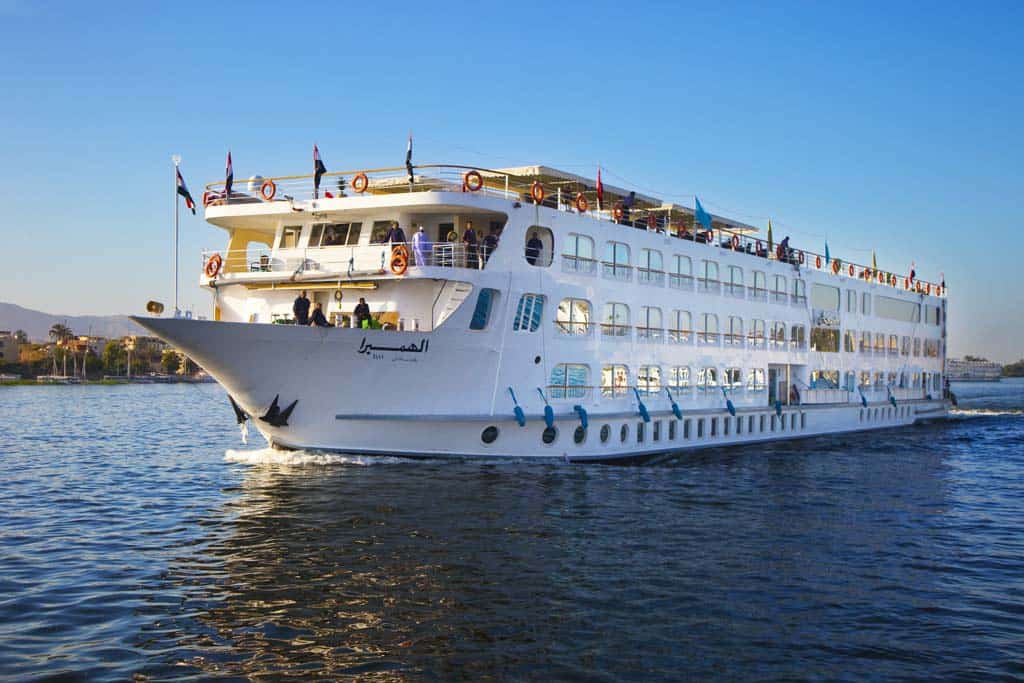
These are the most common type of Nile River Cruise vessels, resembling small hotels on water. They typically range from 30 to 80 cabins and offer a wide array of amenities.
- Features: Multiple dining rooms, bars, lounges, a sundeck with a swimming pool, gift shops, and often a spa or gym. Cabins are air-conditioned with private bathrooms. [1]
- Experience: A comfortable and convenient way to see the sights. They follow a set itinerary with guided excursions. Evening entertainment often includes traditional music, belly dancing, and Galabeya parties.
- Target Audience: Ideal for most first-time visitors seeking comfort, convenience, and a comprehensive sightseeing experience. Options range from budget-friendly to ultra-luxury. Many of the Best Nile Cruises Egypt 2026 will fall into this category.
- Booking Intent: If you're looking for a hassle-free, all-inclusive experience with modern comforts, these ships are your go-to. Look for 5-star deluxe Nile cruises for the ultimate in luxury.
2. Dahabiyas: The Boutique Luxury Experience
Dahabiyas are traditional, two-masted sailing boats that offer a more intimate and luxurious experience. They are much smaller than conventional cruise ships, typically accommodating 8 to 20 passengers in beautifully appointed cabins or suites.
- Features: Elegant, often antique-filled interiors, spacious sundecks, and a focus on personalized service. They rely on sails when possible, offering a quieter, more eco-friendly journey. [2]
- Experience: A slower, more exclusive, and authentic way to explore the Nile. Dahabiyas can often dock in smaller, more secluded spots that larger ships cannot reach, offering unique shore excursions. The pace is relaxed, and the atmosphere is akin to a private yacht.
- Target Audience: Perfect for those seeking Luxury Nile Cruises, a more private experience, or a romantic getaway. They appeal to travelers who appreciate historical charm and personalized attention. [2]
- Booking Intent: If you desire an upscale, tranquil, and unique Nile River Cruise experience, a Dahabiya is an excellent choice. Expect a higher price point, but an unparalleled level of service and intimacy. Look for phrases like "Luxury Dahabiya Nile Cruise" when searching.
3. Feluccas: The Authentic, Budget-Friendly Sailboat
Feluccas are traditional Egyptian wooden sailboats, powered entirely by wind. They offer the most rustic and authentic Nile Cruise experience, typically for one or two nights.
- Features: Basic amenities, often no private cabins (passengers sleep on deck under a canopy), and shared bathroom facilities (sometimes off-boat). Meals are simple and prepared by the crew.
- Experience: An adventurous, back-to-basics journey. It's a chance to connect with the Nile in its purest form, often accompanied by local music and storytelling. Excursions are usually limited to nearby sites.
- Target Audience: Budget travelers, backpackers, and those seeking a truly authentic, no-frills experience. Not recommended for those who prioritize comfort or extensive sightseeing.
- Booking Intent: If your primary goal is an authentic sailing experience on a tight budget, a Felucca might be for you. Be aware of the significant difference in comfort compared to other cruise types.
|
Cruise Type
|
Capacity
|
Amenities
|
Experience
|
Price Range
|
Ideal For
|
|
Large Cruise Ship
|
30-80 cabins
|
Pool, restaurants, bars, AC cabins, entertainment
|
Comfortable, comprehensive sightseeing, social
|
Mid-High
|
Most first-timers, comfort, convenience
|
|
Dahabiya
|
8-20 passengers
|
Elegant interiors, personalized service, sails
|
Intimate, luxurious, slower pace, unique stops
|
High
|
Luxury travelers, couples, private groups
|
|
Felucca
|
10-20 passengers
|
Basic, open-air sleeping, shared facilities
|
Rustic, authentic, adventurous, wind-powered
|
Low
|
Budget travelers, adventurous, basic experience
|
The Ultimate Itinerary: A Day-by-Day Glimpse
While specific itineraries can vary slightly between cruise lines and durations, a typical Luxor and Aswan Nile Cruise will follow a similar pattern, ensuring you visit the most significant historical sites. Here’s a general day-by-day breakdown of what you can expect on a 4-day, 3-night Aswan to Luxor cruise, or a 5-day, 4-night Luxor to Aswan cruise. [1] [2]
Day 1: Arrival in Aswan & Embarkation
Your adventure begins in Aswan, the serene city known for its beautiful Nile scenery and Nubian culture. Upon arrival, you'll be transferred to your cruise ship for check-in. After settling into your cabin and enjoying lunch on board, your Egyptologist guide will lead you on your first excursions.
- Aswan High Dam: A monumental engineering feat completed in 1970, crucial for Egypt's agriculture and electricity. [1]
- Unfinished Obelisk: Witness the sheer scale of ancient Egyptian stonework at this massive, incomplete obelisk in a granite quarry. [1]
- Philae Temple: Dedicated to the goddess Isis, this stunning temple was meticulously relocated to Agilkia Island to save it from flooding after the construction of the High Dam. The boat ride to the island is part of the charm. [1]
Return to the ship for dinner and overnight stay in Aswan. Enjoy the evening views of the Nile. [1]
Day 2: Sailing to Kom Ombo & Edfu
Wake up to breakfast as your ship begins its gentle journey north. The morning is often spent cruising, offering a chance to relax on the sundeck and watch the changing landscapes. [1]
- Kom Ombo Temple: A unique double temple dedicated to two gods: Sobek (the crocodile god) and Horus (the falcon god). Its symmetrical design is fascinating, and its riverside location is particularly picturesque. Don't miss the small Crocodile Museum nearby. [1] [3]
After visiting Kom Ombo, the ship continues sailing to Edfu. Enjoy lunch and dinner on board. [1]
Day 3: Edfu Temple & Journey to Luxor
Today brings another impressive temple visit before a longer stretch of sailing towards Luxor.
- Edfu Temple: The best-preserved ancient temple in Egypt, dedicated to the falcon god Horus. Its remarkably intact walls and pylons offer an incredible insight into ancient Egyptian religious rituals and architecture. You'll typically take a horse-drawn carriage from the ship to the temple, adding to the experience. [1] [3]
After Edfu, you'll sail through the Esna Lock (a fascinating experience in itself, often with local vendors approaching the ship) and continue towards Luxor. Enjoy the afternoon cruising, perhaps with a cooking demonstration or a lecture from your guide. Dinner and overnight stay in Luxor. [1]
Day 4: Luxor West Bank Exploration
Luxor, often called the
"world's greatest open-air museum," awaits. Today is dedicated to exploring the magnificent West Bank, home to some of Egypt's most iconic funerary sites.
- Valley of the Kings: The burial ground of pharaohs and powerful nobles of the New Kingdom, including the famous tomb of Tutankhamun. Marvel at the intricate hieroglyphs and vibrant paintings that adorn the tombs. [1]
- Temple of Hatshepsut: A stunning mortuary temple dedicated to one of Egypt's most successful female pharaohs, Queen Hatshepsut. Its unique terraced design is carved into the cliffs of Deir el-Bahari. [1]
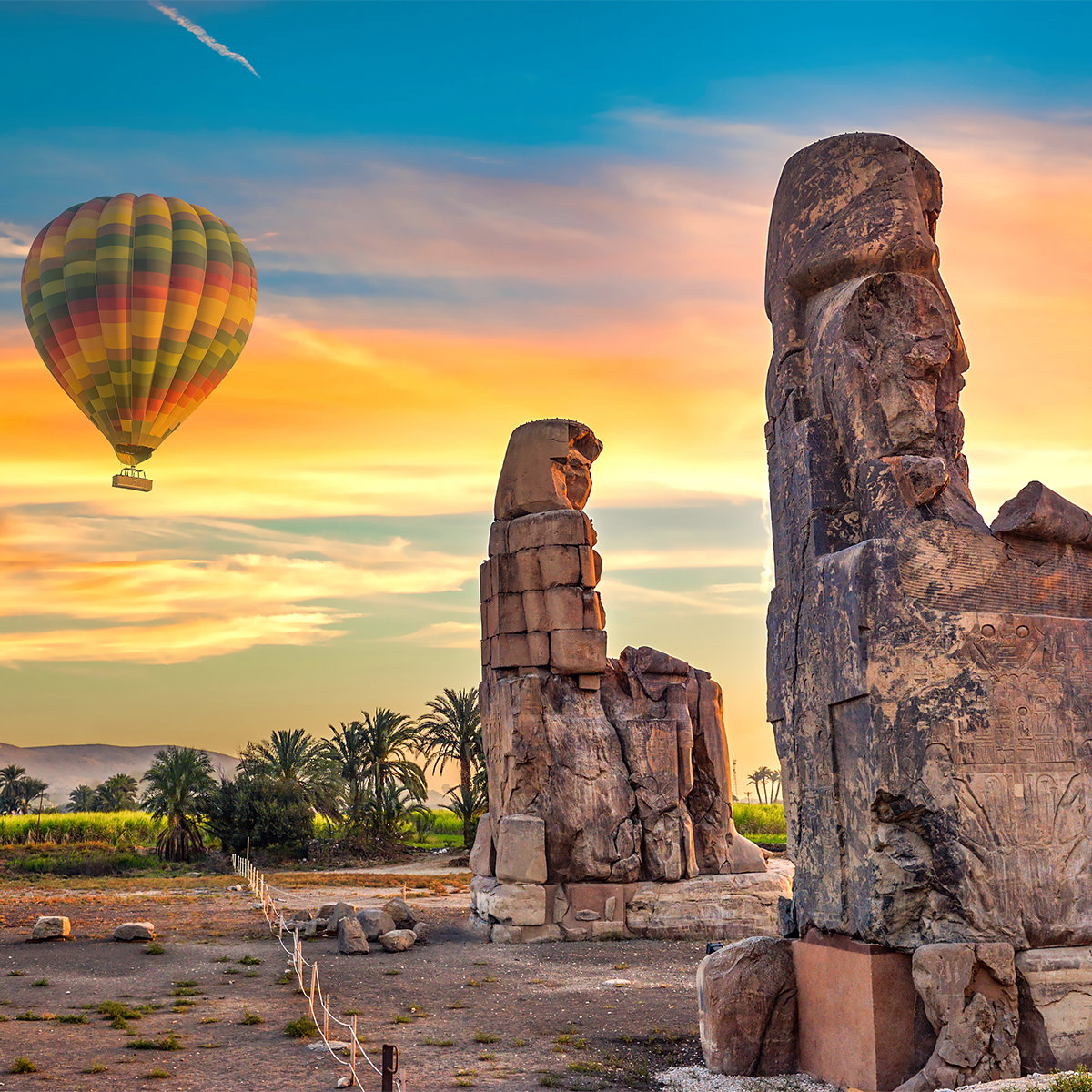
- Colossi of Memnon: Two massive stone statues of Pharaoh Amenhotep III, standing guard at what was once the entrance to his mortuary temple. [1]
Return to the ship for lunch. The afternoon might include more relaxation on board or an optional excursion. Dinner and overnight stay in Luxor. [1]
Day 5: Luxor East Bank & Departure
Your final day focuses on Luxor's East Bank, a testament to the grandeur of ancient Egyptian religious architecture. After breakfast and checking out from your cabin, you'll embark on your last guided tours.
- Karnak Temple Complex: The largest ancient religious site in the world, a sprawling complex of temples, chapels, pylons, and other buildings, built over centuries. The Great Hypostyle Hall, with its 134 massive columns, is particularly awe-inspiring. [1]
- Luxor Temple: Beautifully illuminated at night, this temple is unique for its continuous use as a place of worship throughout history, from ancient Egyptian times to the Roman and Islamic eras. [1]
After your visits, you'll be transferred to Luxor airport or your onward accommodation, concluding your unforgettable Nile River Cruise adventure. [1]
What to Expect Onboard: Life on Your Floating Hotel
Life on a Nile Cruise ship is a blend of organized excursions and leisurely relaxation. The daily rhythm is designed to maximize your sightseeing opportunities while providing ample time to unwind and enjoy the journey. Here’s a closer look at what you can expect:
Accommodation and Amenities
Most large cruise ships offer comfortable, air-conditioned cabins with private bathrooms, often featuring large panoramic windows to enjoy the river views. Higher-end ships and Dahabiyas will offer more spacious and luxurious accommodations. Common amenities include a sundeck with a swimming pool, a lounge bar, a main restaurant, and sometimes a small gym or spa. [1]
Dining Experience
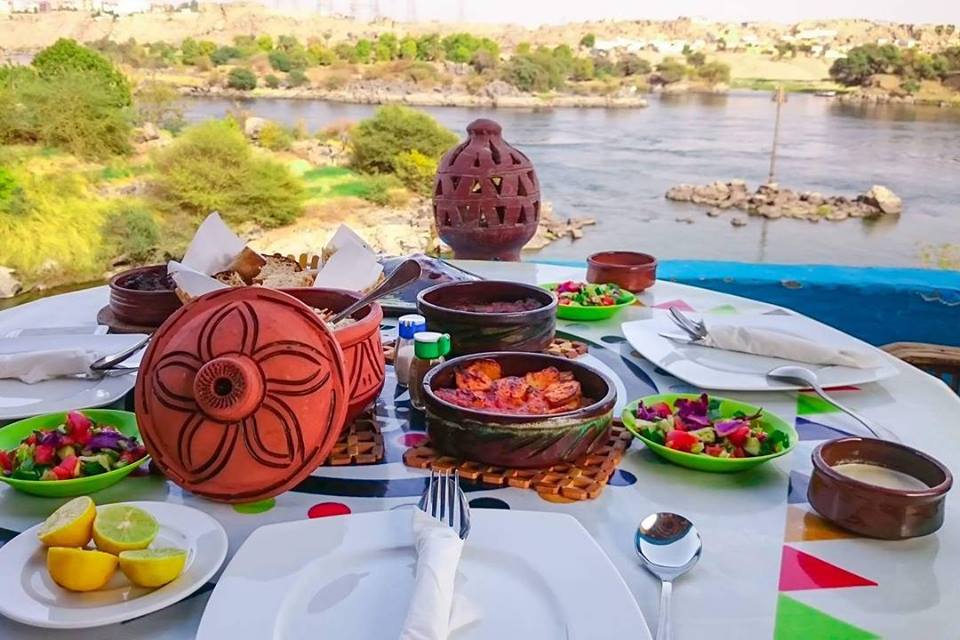
Meals are typically served buffet-style in the main restaurant, offering a mix of international and Egyptian cuisine. Breakfast, lunch, and dinner are usually included in your package. Some cruises might feature a special
captain's dinner or a themed night, like a Galabeya party, where guests are encouraged to wear traditional Egyptian attire (which can be purchased cheaply at local markets). While the food is generally safe and delicious, it's always advisable to drink bottled water and exercise caution with raw fruits and vegetables. [2]
Entertainment and Activities
Evenings on board often feature a variety of entertainment. This can include traditional Egyptian music and dance performances, belly dancing shows, or a lively Galabeya party where guests dress up and participate in games and dancing. During the day, your Egyptologist guide might offer lectures on ancient Egyptian history or culture, providing deeper insights into the sites you're visiting. The sundeck is always a popular spot for relaxing, reading, or simply watching the world go by. [2]
Practical Tips for First-Time Nile Cruisers: Making Your Journey Smooth
To ensure your Nile River Cruise is as enjoyable and stress-free as possible, here are some essential practical tips, especially for first-time visitors.
What to Pack: Essentials for Your Egyptian Adventure
Packing smart is key for a comfortable Nile Cruise. You'll need versatile clothing suitable for both temple explorations and relaxing on deck, as well as protection from the sun. Here’s a detailed breakdown of what to include in your luggage for your Egypt Nile Cruise [4]:
- Clothing: Lightweight, breathable fabrics like cotton and linen are ideal. Pack long-sleeved shirts and long trousers/maxi dresses for temple visits to ensure modesty and sun protection. Bring comfortable shorts, t-shirts, and swimwear for on-board relaxation. A light sweater or jacket is essential for cooler evenings, especially during winter months. Two smart-casual outfits are recommended for evening dining or special events. [4]
- Footwear: Comfortable walking shoes are a must for excursions on uneven terrain at archaeological sites. Sturdy sandals with ankle grip are good for warmer days, and lightweight pool sandals or flip-flops are perfect for on-board. [4]
- Sun Protection: The Egyptian sun is intense year-round. A wide-brimmed hat with a chin cord, high-quality UV-protection sunglasses (polarized are best to reduce glare from the Nile), and broad-spectrum SPF 50+ sunscreen are non-negotiable. Don't forget SPF lip balm. [4]
- Health & Hygiene: A personal first-aid kit should include any prescription medications (bring more than you need in case of delays), antidiarrheal tablets, pain relievers, hydration tablets or electrolyte sachets, and hand sanitizer. Insect repellent (DEET-based is most effective) is highly recommended, especially for evenings near the river. Moisturizer is also useful as the desert air can be very dry. [4]
- Technology: A universal power adapter (Egyptian sockets use Type C and F plugs), a portable power bank (10,000 mAh or above) to keep devices charged during long excursions, and your camera with multiple spare memory cards are essential. Noise-canceling headphones can enhance relaxation. [4]
- Documents: Your passport must be valid for at least 6 months from your arrival date. Ensure you have your Egypt visa (either obtained on arrival or an e-Visa in advance). Keep copies of your travel insurance documents, flight details, and cruise booking confirmation. It's also wise to email a scan of your passport to yourself as a digital backup. [4]
- Cash: Egyptian Pounds (EGP) are essential for tipping (baksheesh), small purchases at local markets, and any optional extras not included in your package. While major credit cards are accepted in larger establishments, ATMs can be scarce near rural temple sites, so carry enough cash. [4]
Tipping (Baksheesh): A Cultural Nuance
Tipping is an integral part of Egyptian culture and a significant source of income for many service workers. While it might seem daunting, it's generally handled efficiently on cruises. Most cruise lines or tour operators will suggest a collective tipping amount for the entire crew (e.g., $5-10 USD per person per day), which you'll hand to the reception at the end of your trip. Your Egyptologist guide will receive a separate tip. It's also customary to tip drivers, luggage handlers, and anyone who provides a specific service. Always carry small denominations of Egyptian Pounds for these instances. Your tour operator will provide specific guidelines, but generally, budgeting around $10-15 USD per person per day for tips is a good estimate.
Internet and Connectivity
Wi-Fi on board Nile Cruises can be slow, unreliable, and often comes at an extra cost. For better and more consistent connectivity, consider purchasing a local SIM card upon arrival in Egypt (e.g., Vodafone, Orange, Etisalat). This will provide you with reliable data for navigation, communication, and sharing your incredible journey with friends and family. It's a small investment that can greatly enhance your travel experience.
Food and Drink on Board
Most cruises offer a mix of international and Egyptian cuisine, usually served buffet style. While the food is generally safe, it's wise to stick to bottled water and avoid uncooked fruits or vegetables that may have been washed in tap water, especially if you have a sensitive stomach. If you have dietary restrictions or allergies, it is crucial to inform your tour operator well in advance. Cruise ship kitchens are generally accommodating, but prior notice helps them prepare suitable meals for you. Alcoholic beverages are available on board but can be expensive; some cruises may offer all-inclusive drink packages.
Health and Safety
Egypt is generally safe for tourists, and Nile Cruises are particularly well-managed. However, it's always wise to be aware of your surroundings, especially in crowded areas like markets. Drink plenty of bottled water to stay hydrated, and be mindful of the sun. If you feel unwell, the cruise ship will have a doctor on call, or your guide can assist you in finding medical attention. It's also recommended to have comprehensive travel insurance that covers medical emergencies and trip interruptions. Always follow the advice of your Egyptologist guide, who is knowledgeable about local customs and safety practices.
The Best Time to Visit: Seasons and Crowds
Choosing the right time for your Nile River Cruise can significantly impact your experience, influencing everything from weather conditions to crowd levels and pricing. Egypt experiences distinct seasons, and understanding them will help you plan your perfect trip.
Peak Season (October to April)
This is widely considered the best time to visit for a Nile cruise. The weather is pleasantly warm and sunny during the day, with cooler, comfortable evenings. Temperatures in Luxor and Aswan typically range from 22°C to 26°C (72°F to 79°F), making outdoor excursions much more enjoyable. The gentle breezes on the Nile make for perfect sundeck relaxation. However, this popularity also means higher prices and larger crowds at major sites. If you plan to travel during December and January, which are particularly popular due to holiday seasons and ideal weather, it's advisable to Reserve your cabin today well in advance (6-12 months) to secure your preferred dates and ship. This period is when you'll find the widest selection of Best Nile Cruises Egypt 2026.
Shoulder Seasons (March-May and September-November)
These periods offer a good balance of comfortable weather and fewer crowds compared to the peak winter months. Temperatures are warmer, ranging from 20°C to 34°C (68°F to 93°F), but still manageable for sightseeing, especially with early morning starts. You might find better deals on cruises during these times, making them an excellent option for those looking to avoid the busiest periods while still enjoying pleasant weather. The landscapes are vibrant, and the light for photography is often stunning during these months.
Low Season (June to August)
Summer in Upper Egypt is intensely hot, with temperatures often exceeding 35-40°C (95°F to 104°F). While cruises still operate, excursions are typically scheduled very early in the morning to avoid the midday heat, and afternoons are best spent relaxing by the pool or in air-conditioned comfort. Prices are generally lower, and sites are less crowded, offering a more intimate experience at the temples. If you are heat-tolerant and looking for Best deals on Egypt river cruises, this could be an option, but be prepared for the extreme temperatures and adjust your activities accordingly. The advantage is fewer tourists and potentially significant savings on your Egypt Nile Cruise Booking.
|
Season
|
Months
|
Daytime Temperature (Luxor/Aswan)
|
Crowds
|
Prices
|
Recommendation
|
|
Peak
|
Oct - Apr
|
22-26°C (72-79°F)
|
High
|
High
|
Ideal weather, book well in advance for Best Nile Cruises Egypt 2026
|
|
Shoulder
|
Mar-May, Sep-Nov
|
20-34°C (68-93°F)
|
Moderate
|
Moderate
|
Good balance of weather and crowds, potential for better deals
|
|
Low
|
Jun - Aug
|
35-40°C+ (95-104°F+)
|
Low
|
Low
|
For heat-tolerant travelers, significant savings on Egypt River Cruises
|
Booking Your Dream Nile Cruise: How to Get the Best Deal
Securing your Egypt Nile Cruise Booking requires a bit of planning, but with the right approach, you can find the perfect trip at the best price. Here’s how to navigate the booking process and ensure a smooth experience, leading to high conversion rates for your website.
1. Research and Compare Operators
Start by researching reputable tour operators and cruise lines. Look for companies with strong reviews, clear itineraries, and transparent pricing. Websites like TripAdvisor, TourRadar, and specialized Egypt travel agencies are good starting points. Pay attention to what's included in their packages (excursions, guides, meals, transfers) and what's not. Don't just look at the price; consider the value, reputation, and customer service. For first-time visitors, choosing a well-established operator can make a significant difference.
2. Choose Your Ship Category and Type
Decide whether you prefer a large cruise ship, a luxurious Dahabiya, or a rustic Felucca. Within large cruise ships, there are various categories (3-star, 4-star, 5-star standard, 5-star deluxe). Your budget and desired comfort level will guide this choice. Remember that Luxury Nile Cruises will naturally come with a higher price tag but offer enhanced amenities and service. If you're seeking an intimate experience, explore Luxury Dahabiya Nile Cruise options. Each type offers a distinct ambiance and set of inclusions.
3. Consider the Season and Book in Advance
As discussed, the time of year significantly impacts prices and availability. For peak season travel (October to April), it's highly recommended to Book your Nile cruise now at least 6-12 months in advance, especially for popular ships or specific dates like Christmas and New Year. This early booking often secures better rates and guarantees your spot on the Best Nile Cruises Egypt 2026. Shoulder seasons offer more flexibility and potentially better value. You can often Check latest prices for 2026 online or by contacting tour operators directly for early bird discounts.
4. Look for Package Deals and Customization
Many tour operators offer comprehensive packages that combine your Nile Cruise with stays in Cairo, Abu Simbel excursions, or Red Sea extensions. These Tailor-made Nile cruise packages can often provide better value than booking each component separately. Always compare the total cost and inclusions. Don't hesitate to inquire about customizable options to fit your specific interests and budget. A personalized itinerary can greatly enhance your overall experience.
5. Read the Fine Print and Ask Questions
Before you Reserve your cabin today, carefully read the terms and conditions, cancellation policies, and what exactly is covered. Clarify any doubts about hidden fees, tipping guidelines, optional extras, and health precautions. A clear understanding prevents unwelcome surprises and ensures peace of mind. A reputable tour operator will be transparent and happy to answer all your questions, especially for first-time visitors who might have many queries about travel in Egypt.
6. Secure Your Booking with Confidence
Once you've made your decision, proceed with securing your booking. Look for secure payment gateways and confirmation processes. Many operators offer flexible booking options or travel insurance recommendations to protect your investment. By following these steps, you can confidently Book your Nile cruise now and look forward to an incredible journey.
Conclusion: Your Nile Cruise Awaits!
A Nile Cruise between Luxor and Aswan is an extraordinary journey that promises to be a highlight of your travels. It's an opportunity to connect with ancient history, witness breathtaking landscapes, and experience the warm hospitality of Egypt. By understanding the different routes, ship types, and practical considerations, you are now well-equipped to plan your perfect adventure. Whether you're seeking the grandeur of a 5-star floating hotel or the intimate charm of a Dahabiya, the Nile has an unforgettable experience waiting for you.
Don't just dream about it – Book your Nile cruise now and embark on a voyage that will leave you with cherished memories for a lifetime. Explore the Best deals on Egypt river cruises and discover why this timeless journey continues to captivate travelers from around the globe. Your adventure along the sacred waters of the Nile is just a click away!
Frequently Asked Questions (FAQ)
Q1: Is a Nile cruise safe for first-time visitors?
A: Yes, Nile Cruises are generally very safe. Tour operators prioritize the safety and comfort of their guests. Egypt has a strong tourism infrastructure, and security measures are in place. Always follow the advice of your guide and local authorities, and stay informed about current travel advisories. Millions of tourists enjoy these cruises annually without incident.
Q2: Do I need a visa for Egypt?
A: Most nationalities require a visa to enter Egypt. Many can obtain a visa on arrival at major airports (currently around $25 USD, payable in cash) or an e-Visa in advance through the official Egyptian government portal. It's crucial to check your country's specific requirements and the latest visa policies before traveling. [4]
Q3: What is the dress code for visiting temples and religious sites?
A: When visiting temples, mosques, and other religious sites, it's important to dress modestly out of respect. This generally means covering your shoulders and knees. Loose-fitting clothing made of breathable fabrics like cotton or linen is also recommended for comfort in the heat. A lightweight scarf can be useful for women to cover their heads if required in certain religious buildings. [4]
Q4: Can I book a Nile cruise directly in Egypt upon arrival?
A: While it's technically possible to find and book a cruise upon arrival, especially for Feluccas or last-minute deals during the low season, it's highly recommended to book in advance through a reputable tour operator. This is particularly true for larger cruise ships or Dahabiyas, and especially during peak season. Booking in advance ensures better prices, availability, a wider choice of ships, and a well-organized itinerary, giving you peace of mind. [3]
Q5: Are children allowed on Nile cruises?
A: Yes, most Nile Cruises are family-friendly and welcome children of all ages. Many cruise lines offer triple cabins or connecting rooms. Some ships may even have specific amenities or activities for younger guests, though these are less common than on ocean cruises. Always check with the specific cruise line regarding their child policies, available facilities, and any age restrictions for certain excursions or onboard activities.
Q6: What currency should I use in Egypt and for tipping?
A: The local currency is the Egyptian Pound (EGP). While major credit cards are accepted in larger hotels, cruise ships, and shops, it's advisable to carry Egyptian Pounds for smaller purchases, local markets, and especially for tipping (baksheesh). US Dollars and Euros are also widely accepted for larger payments and can be exchanged easily at banks or exchange offices. For tipping, small denominations of EGP are most practical. [4]
Q7: Is Wi-Fi available on Nile cruises and is it reliable?
A: Most modern Nile Cruise ships do offer Wi-Fi, but it can often be slow, expensive, and unreliable, especially when sailing through more remote areas. For better and more consistent internet access, it's highly recommended to purchase a local Egyptian SIM card with a data plan upon arrival at Cairo or Aswan airport. This will provide you with reliable connectivity for your smartphone throughout your journey. [4]
Q8: What if I have dietary restrictions or allergies?
A: It's absolutely crucial to inform your tour operator and the cruise line about any dietary restrictions, allergies, or special meal requirements well in advance of your trip (ideally at the time of booking). Cruise ship kitchens are generally accommodating and experienced in catering to various needs, but prior notice helps them prepare suitable and safe meals for you. Don't assume they will know unless you explicitly tell them.
Q9: What kind of evening entertainment can I expect on a Nile Cruise?
A: Evening entertainment on Nile Cruises typically includes a variety of cultural performances. You can expect traditional Egyptian music and dance shows, sometimes featuring belly dancers or whirling dervishes. A popular highlight is the Galabeya party, where guests are encouraged to dress in traditional Egyptian attire (often available for purchase on board or at local markets) and participate in festive activities. Some cruises also offer cooking demonstrations or lectures by the Egyptologist guide. [2]
Q10: Are there any hidden costs I should be aware of?
A: While many Nile Cruisepackages are all-inclusive, it's important to clarify what's covered. Common exclusions that might be considered
hidden costs include: international flights, Egyptian visa fees, travel insurance, alcoholic beverages (unless an all-inclusive drink package is specified), optional excursions (like Abu Simbel), personal expenses, and tips for the crew and guides. Always review your booking details carefully. [1] [3]

 Ukrainian