Cairo vs Istanbul: The Complete 2026 Travel Comparison (And Why Cairo Might Be Your Best Booking Yet)
29/06/2026
Choosing between Cairo and Istanbul is one of the most common dilemmas travelers face when planning a trip to the Middle East or Eastern Mediterranean region. Both cities are gateways to extraordinary history, unforgettable food, and rich culture. Both appear constantly on "bucket list" travel guides, and both are searched daily by people comparing flights, hotels, tour packages, and itineraries before they book.
This guide breaks down everything you need to know — history, cost, attractions, accommodation, food, safety, weather, and day-trip options — to help you decide where to book your next trip. While we'll give Istanbul its fair due, by the end of this guide it should be clear why so many travelers are choosing Cairo as their primary destination in 2026, especially those looking for unmatched historical depth and exceptional value for money.
A Quick Overview: Two Cities, Two Empires
Istanbul was once Constantinople and Byzantium before that, a city that has anchored empires for roughly 1,600 years. It's a fascinating blend of European and Asian identity, split literally by the Bosphorus Strait, with mosques, palaces, and bazaars reflecting Ottoman and Byzantine heritage.
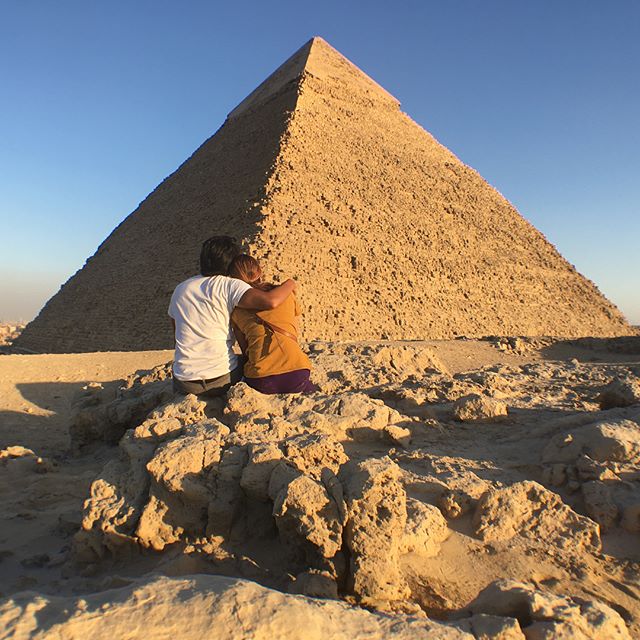
Cairo, on the other hand, sits beside monuments that have stood for over 4,500 years. It is the gateway to ancient Egypt — the pyramids, the Sphinx, the temples of the pharaohs — and to a civilization that predates the Roman Empire, predates Byzantium, and predates almost every other tourist destination on the planet. When people search for "where to see the oldest wonders of the ancient world," Cairo is essentially the only honest answer.
This depth of antiquity is the first major reason travelers booking history-focused trips lean toward Cairo. It's not that Istanbul lacks history — it has plenty — but Cairo offers something genuinely irreplaceable: direct access to the last surviving Wonder of the Ancient World.
Historical and Cultural Attractions
Cairo's Must-See Sites
When you book a trip to Cairo, your itinerary almost writes itself around a handful of unmissable sites:
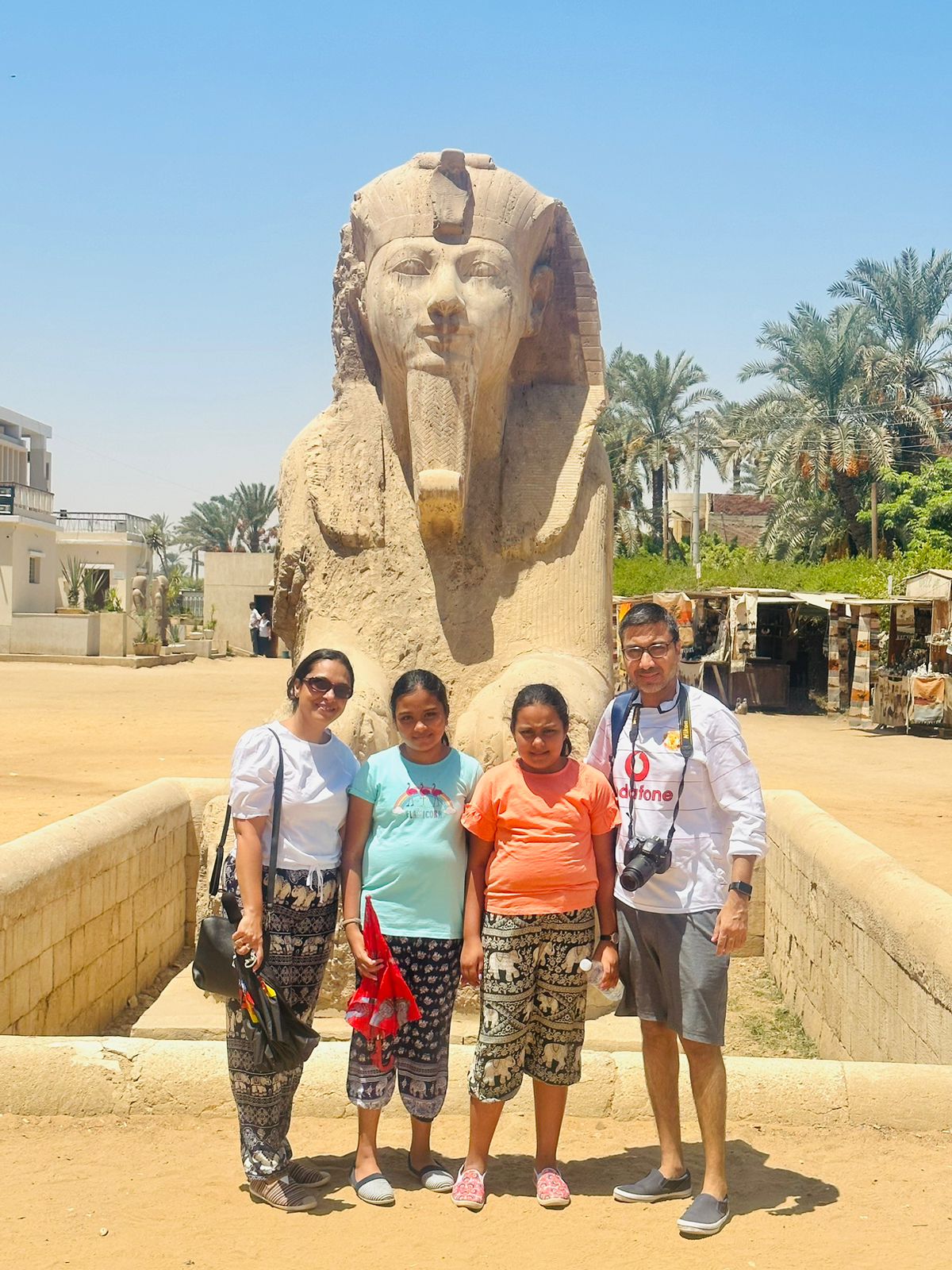
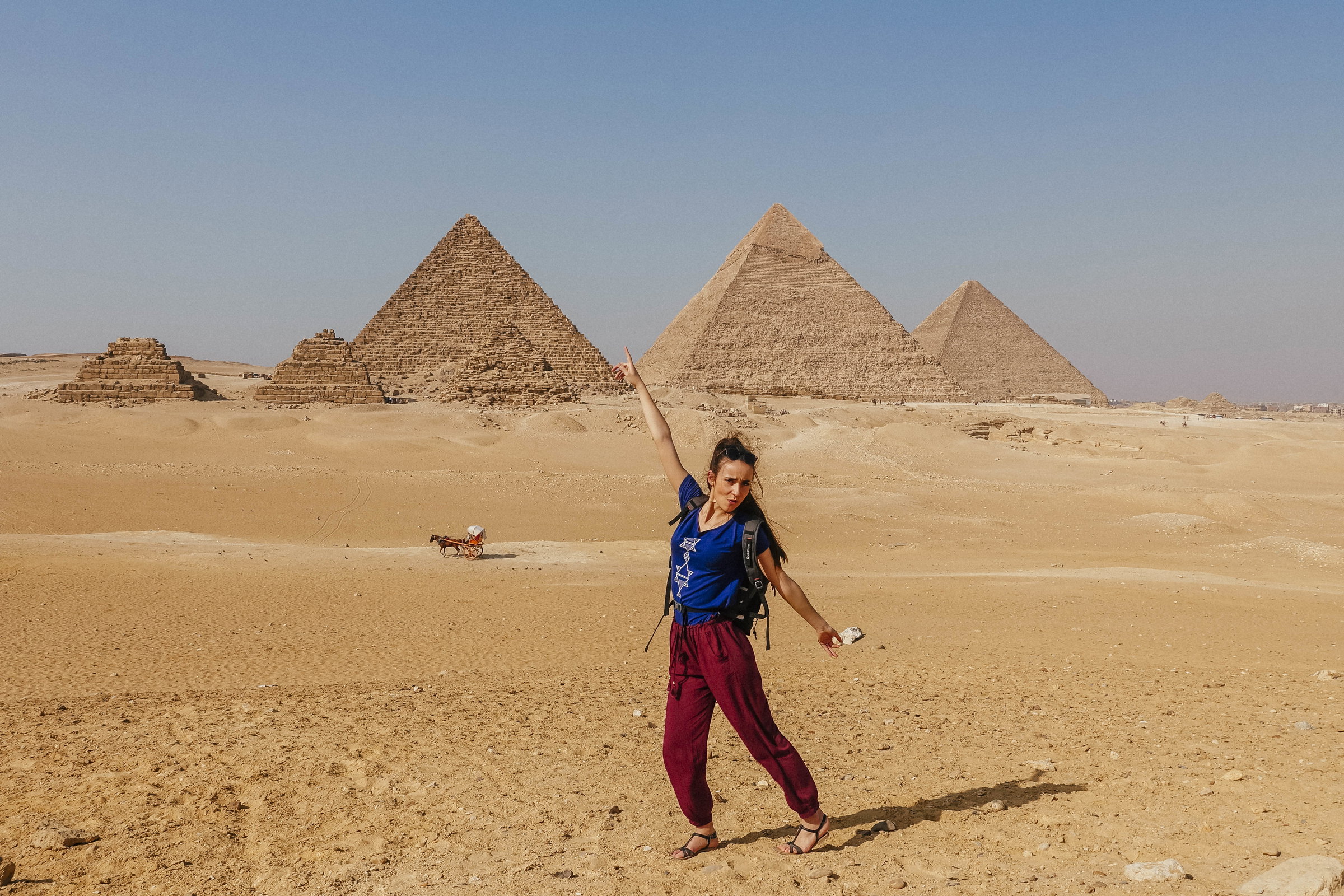
- The Pyramids of Giza and the Great Sphinx — the single most iconic image of ancient civilization anywhere in the world, and still standing after 4,500 years.
- The Grand Egyptian Museum (GEM) — the newly completed mega-museum near Giza, home to the most complete collection of Tutankhamun's treasures ever displayed.
- Islamic Cairo — a UNESCO World Heritage area packed with medieval mosques, madrasas, and the sprawling Khan el-Khalili bazaar.
- Coptic Cairo — home to some of the oldest churches in the world and a fascinating layer of early Christian history.
- The Egyptian Museum (Tahrir) — the original home of pharaonic antiquities, still essential for serious history travelers.
- The Citadel of Saladin — offering sweeping views over the city and access to the stunning Mohamed Ali Mosque.
What makes booking a Cairo itinerary so rewarding is how concentrated these experiences are. Most major sites sit within a 30–45 minute drive of each other, meaning even a short 3-day booking can comfortably cover the highlights.
Istanbul's Must-See Sites
Istanbul counters with an equally compelling, if differently flavored, lineup:
- Hagia Sophia — a former Byzantine cathedral and Ottoman mosque, now a working mosque again, with breathtaking architecture.
- Topkapi Palace — the opulent former residence of Ottoman sultans.
- The Blue Mosque (Sultan Ahmed Mosque) — famous for its cascading domes and blue Iznik tilework.
- The Grand Bazaar and Spice Bazaar — among the oldest and largest covered markets in the world.
- The Bosphorus — offering boat cruises between the European and Asian sides of the city.
- Basilica Cistern — an atmospheric underground Byzantine water reservoir.
Istanbul's attractions lean more toward architectural grandeur and a "two continents in one city" experience, which appeals strongly to travelers who want a vibrant, modern metropolis layered over centuries of imperial history.
Verdict: Both cities deliver world-class sightseeing. But for travelers specifically booking a trip around ancient history and "wonders of the world" experiences, Cairo simply has no equal.
Cost Comparison: Where Your Money Goes Further
For most travelers actively comparing destinations to book, cost is the deciding factor — and this is where Cairo pulls ahead clearly.
| Category |
Cairo (Average) |
Istanbul (Average) |
| Mid-range hotel (per night) |
Lower |
Moderate–High |
| Local meal (per person) |
Lower |
Moderate |
| Museum/attraction entry |
Lower |
Moderate |
| Private guided day tour |
Lower |
Moderate–High |
| Taxi/rideshare across city |
Lower |
Moderate |
| Nile cruise / Bosphorus cruise |
Lower |
Moderate–High |
Travelers consistently report that booking a 5-day Cairo package — including hotel, guided pyramid tours, museum entries, and a Nile dinner cruise — costs noticeably less than an equivalent Istanbul itinerary covering similar ground. This means more flexibility to add extra nights, upgrade hotel rooms, or extend the trip into Luxor, Aswan, or the Red Sea coast without blowing the budget.
Istanbul remains reasonably priced compared to Western European capitals, but compared directly to Cairo, it sits in a noticeably higher price bracket across almost every travel category — accommodation, dining, and especially organized tours.
Food and Dining
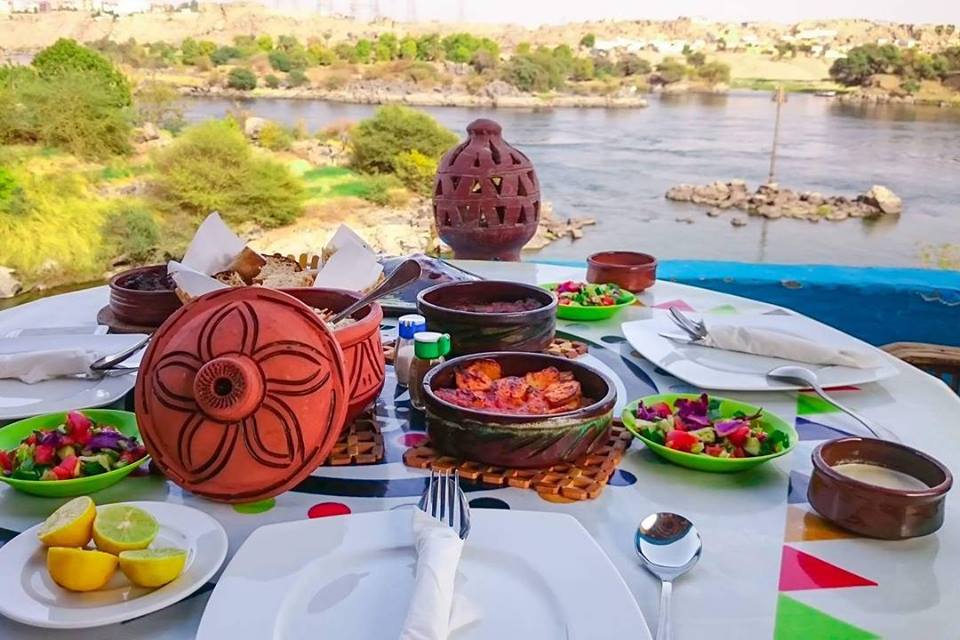
Egyptian cuisine centers on dishes like koshari (a hearty mix of rice, lentils, and pasta topped with spiced tomato sauce), ful medames, molokhia, grilled kofta, and incredibly fresh Nile-caught fish. Cairo's dining scene spans everything from a one-dollar street-food koshari stand to elegant rooftop restaurants overlooking the Nile at sunset — a combination that's hard to beat for both budget travelers and those booking a more upscale experience.
Istanbul's food culture is equally beloved — kebabs, mezze, baklava, Turkish breakfast spreads, and world-class coffee culture. Turkish cuisine is more globally familiar to many travelers, which can feel comforting, but it also tends to come at a higher price point in tourist areas compared to Cairo's still highly affordable dining scene.
Both cities reward travelers who venture beyond hotel restaurants, but if affordability paired with authenticity is a priority when booking your meals and tours, Cairo again edges ahead.
Accommodation Options
Cairo's hotel market has expanded significantly in recent years, with everything from boutique Nile-view boutique hotels to internationally branded five-star properties near Giza offering pyramid-view rooms — a genuinely unique booking experience you simply cannot replicate anywhere else in the world. Budget and mid-range travelers will also find excellent value across downtown Cairo, Zamalek, and Giza.
Istanbul offers a similarly wide range, particularly around Sultanahmet (Old City) and Beyoğlu, with charming boutique hotels in restored Ottoman buildings. However, prices in these popular tourist districts have risen substantially in recent years, particularly during peak season, making comparable bookings noticeably pricier than in Cairo.
If you're booking purely based on value — luxury-for-less, unique views, and a wider range of affordable five-star options — Cairo consistently wins this category.
Day Trips and Itinerary Flexibility
This is one of Cairo's biggest hidden advantages. From a single Cairo base, travelers can easily book:
- Luxor and Aswan — via short domestic flights or multi-day Nile cruises, to see the Valley of the Kings, Karnak Temple, and the Aswan High Dam.
- Alexandria — a relaxing day trip to the Mediterranean coast, the Library of Alexandria, and Roman-era catacombs.
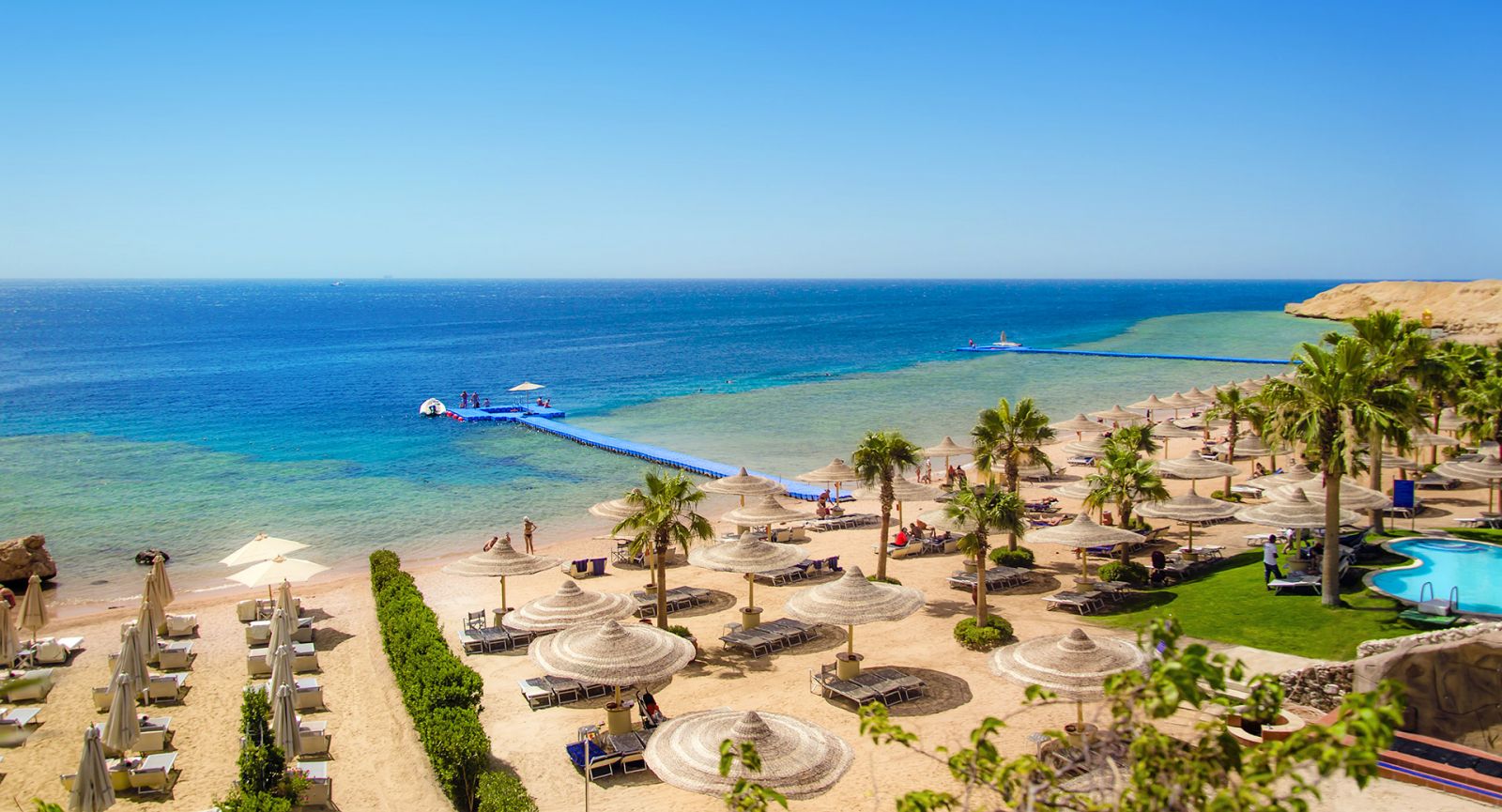
- The Red Sea coast (Hurghada, Sharm El Sheikh) — for world-class diving and beach relaxation, just a short flight or drive away.
- Fayoum Oasis — desert landscapes, lakes, and waterfalls within day-trip distance.
This means a single trip booked around Cairo can combine ancient temples, a desert oasis, and a beach resort — a level of variety that's genuinely hard to match.
Istanbul also offers excellent day-trip options, including Cappadocia (though typically requiring a flight rather than a simple day trip), the Princes' Islands, and Bursa. These are wonderful additions to an Istanbul-based trip, but they tend to require more time and higher transportation costs compared to Cairo's more tightly clustered, affordable network of excursions.
Weather and Best Time to Book
Cairo enjoys a desert climate, meaning it's warm and dry for most of the year, with the most comfortable temperatures from October through April — ideal for sightseeing without the intense summer heat. Istanbul has a more temperate, four-season climate, with pleasant spring and autumn weather but colder, rainier winters than Cairo.
For travelers who prefer reliable sunshine and want to book outdoor sightseeing — pyramids, temples, river cruises — with minimal weather risk, Cairo's dry season offers a dependable advantage over Istanbul's more variable shoulder seasons.
Safety for Tourists
Both cities are major international tourist destinations with well-established infrastructure for visitors. Cairo's primary tourist zones — Giza, downtown, Zamalek, and Islamic Cairo — see heavy tourist police presence and are very accustomed to international visitors. Istanbul similarly maintains strong security in its main tourist districts.
As with any major global city, standard travel precautions (avoiding isolated areas late at night, safeguarding valuables, using licensed transportation) apply equally in both destinations. Millions of travelers visit each city safely every year.
Who Should Book Istanbul Instead?
In fairness, Istanbul remains an outstanding choice for travelers who specifically want:
- A blend of European and Asian culture in one walkable city
- Strong nightlife and a more "modern metropolis" urban pace
- Easy onward connections to the Aegean coast, Cappadocia, or the Balkans
- Ottoman and Byzantine architecture as the central historical focus
If your travel priorities center on those experiences, Istanbul is a fantastic — and very bookable — choice.
Getting Around: Transportation Compared
Once you've booked your flight and hotel, the next practical question is how easily you'll move around the city day to day.
Cairo's transportation scene has improved enormously in recent years. Ride-hailing apps like Uber and Careem operate widely and affordably across the city, making it simple to book a ride from your hotel to the pyramids, downtown, or Islamic Cairo without language barriers or fare negotiation. The Cairo Metro is also clean, fast, and extremely cheap, connecting many key neighborhoods, including a direct line toward Giza. For day trips to Alexandria or the Red Sea, comfortable intercity buses and short domestic flights are both easy to book in advance.
Istanbul's transportation network is excellent and arguably more tourist-friendly at first glance, with an extensive tram, metro, ferry, and funicular system, plus the iconic Bosphorus ferries connecting the European and Asian sides. The Istanbulkart system makes public transport simple once you understand it. However, taxi fares and ride-hailing costs in Istanbul tend to run higher than Cairo's equivalent options, and traffic congestion in central districts during peak hours can be significant.
For travelers booking a trip where transportation costs add up quickly across a week-long stay, Cairo's combination of affordable ride-hailing and a simple metro system again offers a practical cost advantage.
Shopping and Souvenirs
Cairo's Khan el-Khalili bazaar is one of the oldest and most atmospheric markets in the world, dating back to the 14th century. It's the perfect place to book a guided shopping walk and pick up spices, brassware, alabaster carvings, papyrus art, and traditional textiles, often at prices well below what you'd pay for comparable souvenirs in more heavily touristed markets elsewhere. Bargaining is expected and part of the experience.
Istanbul's Grand Bazaar and Spice Bazaar are larger and arguably more polished, with thousands of shops selling Turkish ceramics, textiles, lokum (Turkish delight), and leather goods. Istanbul also has a stronger modern retail and shopping mall scene for travelers who want contemporary fashion alongside traditional crafts.
Both cities offer fantastic shopping experiences, but Cairo's bazaar prices, especially after light negotiation, tend to be friendlier on the wallet — another small but meaningful factor when you're booking a trip with souvenirs and gifts in mind.
Language and Ease of Communication
English is widely spoken in tourist areas of both cities, particularly among hotel staff, guides, and restaurant workers, so language is unlikely to be a major barrier in either destination. Cairo's tourism industry, built around decades of welcoming international visitors to the pyramids, means most guides and tour operators are highly experienced in communicating clearly with English-speaking travelers, often layering in fascinating historical storytelling that enhances the value of any booked tour.
Istanbul similarly has a tourism workforce well-versed in English, German, and other major European languages, given its long-standing role as a bridge between Europe and Asia.
Sample Itineraries: Planning Your Booking
A 3-Day Cairo Itinerary
Day 1: Pyramids of Giza, the Great Sphinx, and the Grand Egyptian Museum. Evening Nile dinner cruise with live entertainment.
Day 2: Egyptian Museum in Tahrir, Coptic Cairo's ancient churches, and an afternoon exploring Islamic Cairo and the Citadel of Saladin.
Day 3: Khan el-Khalili bazaar for shopping and lunch, followed by a relaxed afternoon along the Nile Corniche or a felucca sailboat ride at sunset.
A 5-Day Cairo Itinerary (Recommended for First-Time Visitors)
Add two extra days to the above for a day trip to Alexandria along the Mediterranean coast, or book a short flight to Luxor to see the Valley of the Kings and Karnak Temple — turning your Cairo trip into a complete ancient Egypt experience.
AYAD WORLD TOURS ONLINE
A 3-Day Istanbul Itinerary
Day 1: Hagia Sophia, the Blue Mosque, and the Basilica Cistern in the historic Sultanahmet district.
Day 2: Topkapi Palace in the morning, followed by the Grand Bazaar and Spice Bazaar in the afternoon.
Day 3: A Bosphorus cruise, exploring the Asian side of the city, and an evening in the Beyoğlu nightlife district.
A 5-Day Istanbul Itinerary
Add a day trip or overnight excursion to Cappadocia for hot-air balloon rides over the famous fairy chimney rock formations, one of Turkey's most photographed experiences, though this typically requires booking an additional domestic flight.
Real Traveler Perspectives
Travelers who have booked trips to both cities often describe Cairo as delivering a stronger sense of awe relative to cost — the feeling of standing before the pyramids is frequently described as a once-in-a-lifetime moment that exceeds expectations, especially given how comparatively affordable the overall trip turns out to be. Many also highlight how friendly and welcoming Cairo's tourism staff and guides tend to be, often going out of their way to share historical context that brings the ancient sites to life.
Istanbul travelers frequently praise the city's atmosphere, walkability, and the sheer density of beautiful architecture within a compact area, along with the convenience of its well-organized public transport system.
Both perspectives are valid and reflect genuinely different — but equally valuable — travel experiences. The right choice ultimately depends on what you're hoping to get out of your trip.
Booking Tips for Either Destination
- Book flights and hotels at least 2–3 months in advance for the best rates, particularly during peak season (October–April for Cairo, April–June and September–October for Istanbul).
- Reserve skip-the-line tickets for major sites like the Pyramids, Grand Egyptian Museum, Hagia Sophia, and Topkapi Palace well ahead of your trip to avoid long queues.
- Consider booking a licensed local guide for at least your first day in either city, as historical context dramatically improves the experience at both ancient and Ottoman-era sites.
- Check current e-visa requirements for your nationality before finalizing flight bookings for either Egypt or Turkey.
- If combining cities in one trip, direct flights between Cairo and Istanbul are frequent and relatively short, making a combined itinerary an option worth booking for travelers who have the time.
Nightlife and Evening Experiences
Evening entertainment is an important part of any city break, and both Cairo and Istanbul deliver memorable after-dark experiences, just in different flavors.
In Cairo, the evening highlight for most visitors is the Sound and Light Show at the Pyramids of Giza, where the monuments are illuminated against the night sky while a narrated history plays across the Sphinx and pyramids. Nile dinner cruises with live music and traditional dance performances are another favorite, easy to book as part of an evening package alongside dinner. Downtown Cairo and Zamalek also offer a growing scene of rooftop bars and lounges with skyline views over the Nile, along with shisha cafés where you can relax with mint tea and people-watch late into the night.
Istanbul's nightlife is more built around its European-style bar and club scene, particularly in the Beyoğlu and Karaköy districts, along with rooftop bars overlooking the Bosphorus. Istanbul tends to have a livelier, more Western-style after-dark scene overall, which will appeal strongly to travelers prioritizing nightlife as part of their booking decision.
If your evenings are about historical atmosphere, river views, and relaxed cultural entertainment, Cairo delivers something genuinely distinctive. If you're looking for a buzzing, modern nightlife scene, Istanbul has the edge.
Photography and Instagram-Worthy Moments
For travelers who plan their bookings partly around capturing unforgettable photos, both cities are exceptionally rewarding, but Cairo offers a handful of truly unrepeatable shots: sunrise or sunset at the Pyramids of Giza, a camel silhouette against the desert horizon, the golden treasures of the Grand Egyptian Museum, and the timeless image of the Sphinx framed by the pyramids behind it. These are photographs that simply cannot be recreated anywhere else on the planet.
Istanbul offers its own iconic frames — the domes and minarets of the Blue Mosque at sunset, the Bosphorus Bridge lit up at night, colorful Bosphorus ferries crossing between continents, and the lively chaos of the Grand Bazaar's covered lanes. These are beautiful, evocative images in their own right, layered with centuries of Ottoman architectural detail.
Both destinations reward photographers richly, but the sheer rarity and historical weight of an image taken at the Pyramids of Giza tends to carry a slightly stronger "wow factor" for most viewers back home.
Family Travel Considerations
Families researching where to book their next trip will find both cities to be relatively manageable with children, though each comes with its own considerations.
Cairo's major sites — particularly the pyramids, the Grand Egyptian Museum, and a Nile cruise — tend to captivate children with a natural sense of adventure and wonder, and most major hotels in Giza and Zamalek offer family-friendly amenities, including pools, which are especially appreciated given Cairo's warm climate. The lower overall cost of dining, tours, and accommodation also makes it easier to book a longer family trip without exceeding budget.
Istanbul is similarly family-friendly, with attractions like the Basilica Cistern and a Bosphorus ferry ride often appealing to younger travelers, alongside numerous parks and family-oriented neighborhoods. Walking distances between sites in the Old City can be more manageable for families with young children compared to Cairo's slightly more spread-out major attractions, though both cities are very doable with some planning.
Digital Nomads and Longer Stays
An increasing number of travelers are booking extended stays of several weeks or even months in both cities, drawn by relatively affordable living costs, growing co-working spaces, and vibrant expat communities.
Cairo, and particularly the upscale Zamalek and New Cairo districts, has seen a noticeable rise in co-working spaces, fast internet, and long-term furnished apartment rentals at costs significantly below comparable Western cities or even Istanbul. Combined with a rich cultural backdrop and easy weekend access to the Red Sea coast, Cairo is becoming an increasingly popular base for remote workers seeking both affordability and a sense of discovery in their downtime.
Istanbul has long been a popular digital nomad hub thanks to its central location bridging Europe and Asia, strong café culture, and well-established expat infrastructure, though monthly costs for accommodation and co-working memberships tend to run higher than in Cairo.
Sustainability and Responsible Tourism
Travelers increasingly factor sustainability into their booking decisions, and both cities are making strides in this area. Cairo's tourism authorities have invested heavily in preserving and restoring historic sites, including the careful conservation work behind the Grand Egyptian Museum project, while many tour operators now offer community-based experiences that channel tourism revenue directly into local neighborhoods, particularly around Giza and Luxor.
Istanbul has similarly invested in restoring Ottoman-era buildings and promoting walking and cycling tourism as alternatives to car travel within the historic core. Both cities offer responsible travelers ways to book tours and accommodations that support local communities and heritage preservation.
Currency and Payment Considerations
Egypt's currency, the Egyptian pound, generally stretches further for international visitors thanks to favorable exchange rates relative to many home currencies, directly contributing to Cairo's overall affordability advantage discussed earlier in this guide. Credit cards are widely accepted in hotels, larger restaurants, and major attractions, though carrying some local cash is useful for bazaars, smaller eateries, and tipping.
Turkey's currency, the Turkish lira, has also offered favorable exchange rates for many international visitors in recent years, though overall price levels for tourist-facing services in Istanbul still tend to run higher than Cairo's equivalent costs, as outlined in the cost comparison table earlier in this guide. As with Cairo, cards are widely accepted, with cash useful for markets and smaller vendors.
Health, Packing, and Practical Travel Tips
Before finalizing any booking, it's worth thinking through a few practical details that can make a real difference to your comfort during the trip.
For Cairo, travelers should pack light, breathable clothing suitable for a desert climate, along with comfortable walking shoes for navigating uneven ground around the pyramids and Islamic Cairo's cobblestone streets. Sunscreen, a hat, and a reusable water bottle are essential year-round, but especially during the warmer months from May to September. Modest clothing is appreciated when visiting mosques and churches, so packing a light scarf or shawl is a smart addition for both men and women. Tap water is best avoided in favor of bottled water, which is inexpensive and widely available. It's also a good idea to confirm with your doctor whether any vaccinations or health precautions are recommended before your trip, and to book reputable travel insurance covering medical care and trip interruptions.
For Istanbul, layered clothing is recommended given the city's more variable four-season climate, particularly if traveling in the cooler months between November and March. Comfortable shoes are equally important here, given the considerable amount of walking across the Old City's hilly, cobblestoned streets. As in Cairo, modest clothing is appropriate when visiting mosques, and many sites provide scarves for visitors who need them on the spot. Tap water in Istanbul is generally considered safe, though many travelers still prefer bottled water for convenience.
In both cities, it's worth keeping a digital and physical copy of your passport, booking confirmations, and travel insurance details, along with registering your trip with your home country's embassy if that service is available, particularly for longer stays.
How to Decide: A Quick Decision Checklist
If you're still weighing where to book first, here's a simple way to think about it. Choose Cairo if you want to stand before the Great Pyramids, experience the deepest layer of ancient human history available anywhere on Earth, stretch your travel budget significantly further across hotels, food, and tours, and combine your trip with the Nile, a desert oasis, or the Red Sea coast. Choose Istanbul if your priority is a vibrant, walkable city blending European and Asian culture, a livelier modern nightlife scene, and easy onward connections to Cappadocia or the Aegean coast.
For travelers who genuinely can't decide, booking a combined itinerary is entirely feasible, given the short, frequent direct flights connecting the two cities — allowing you to experience both ancient Egyptian wonders and Ottoman grandeur within a single, well-planned trip.
A Closing Thought Before You Book
Travel decisions are rarely just about logistics — they're about the kind of memory you want to walk away with. Few experiences in life match the feeling of standing in the shadow of the Great Pyramid of Giza, knowing that the structure beneath your feet has watched over the desert for more than four and a half thousand years, long before Istanbul's first stones were ever laid as Byzantium. That sense of scale, of touching something genuinely ancient rather than merely historic, is what keeps drawing travelers back to Cairo year after year, and it's a major reason the city consistently earns repeat bookings and glowing recommendations from visitors who weren't entirely sure what to expect.
None of this is meant to diminish Istanbul, which remains one of the world's truly great cities and a thoroughly rewarding destination in its own right. But when you line up the full picture — irreplaceable ancient wonders, a noticeably gentler price tag across nearly every category of spending, a wider variety of nearby excursions spanning desert, river, and sea, and a climate that rarely interferes with your sightseeing plans — it becomes easier to understand why so many travelers, when finally ready to book, choose Cairo first.
Whichever city you ultimately decide on, the most important step is simply to book early, plan your must-see sites in advance, and arrive ready to be genuinely amazed. Both Cairo and Istanbul have spent thousands of years preparing to leave a lasting impression on their visitors — and both are very much ready to deliver on that promise.
Final Verdict: Why Cairo Wins for Most Travelers
When you weigh the full picture — depth of ancient history unmatched anywhere on earth, significantly lower costs across hotels, food, and tours, a wider variety of day-trip options combining desert, river, and sea, and dependable sunny weather for most of the year — Cairo offers a stronger overall value proposition for most travelers booking a trip in this comparison.
Istanbul is a beautiful, historic, and exciting city well worth visiting in its own right. But if you're trying to decide which destination to book first, Cairo's combination of irreplaceable ancient wonders and exceptional affordability makes it the smarter pick for travelers who want the most unforgettable trip for their money.
Frequently Asked Questions
Is Cairo cheaper than Istanbul? Yes. Across hotels, food, local transportation, and guided tours, Cairo is generally more affordable than Istanbul, especially during peak travel seasons, allowing travelers to book longer or more comfortable trips for the same budget.
How many days should I book for Cairo? Most travelers book 3–5 days to comfortably cover the Pyramids of Giza, the Grand Egyptian Museum, Islamic Cairo, and a Nile dinner cruise. Adding 2–3 extra days allows for a Luxor and Aswan extension.
How many days should I book for Istanbul? A typical Istanbul itinerary runs 3–4 days to cover the Old City, the Bosphorus, and the Grand Bazaar, with additional days recommended for a Cappadocia extension.
Is Cairo safe for tourists in 2026? Cairo's major tourist areas, including Giza, downtown Cairo, and Zamalek, are well-patrolled and welcome large numbers of international visitors safely each year. Standard travel precautions are recommended, as in any major city.
What's the best time to book a Cairo trip? October through April offers the most comfortable temperatures for sightseeing. Booking flights and hotels 2–3 months in advance typically secures the best rates and room availability.
What's the best time to book an Istanbul trip? April–June and September–October offer the most pleasant weather, avoiding both summer crowds and winter rain.
Can I combine Cairo with Luxor or the Red Sea in one trip? Yes. Many travelers book a Cairo stay alongside a Nile cruise to Luxor and Aswan, or add a few days in Hurghada or Sharm El Sheikh for beach time — all easily arranged from a single Cairo-based itinerary.
Which city is better for history lovers: Cairo or Istanbul? Both cities are historically rich, but Cairo's ancient Egyptian monuments — some over 4,500 years old — offer a depth of antiquity that very few destinations worldwide can match.
Which city offers better value for a family trip? Cairo's lower costs across hotels, dining, and tours generally make it a more budget-friendly choice for families, while still offering plenty of engaging, kid-friendly historical sites like the pyramids and museums.
Do I need a visa to visit Cairo or Istanbul? Visa requirements vary by nationality for both Egypt and Turkey. Most travelers can arrange an e-visa online in advance of booking flights, so it's worth checking current requirements for your passport before finalizing your trip.
Which city has better flight connections? Istanbul is a major global aviation hub with extensive connections, while Cairo also offers strong international connectivity, particularly from Europe, the Middle East, and increasingly from North America, making both cities easy to book direct flights to from most major airports.
Should I book a guided tour or explore independently? For Cairo, booking a licensed guide for the pyramids, museums, and Islamic Cairo is highly recommended, as guides provide essential historical context and can navigate ticketing efficiently. Istanbul is generally easier to explore independently, though guided tours of Topkapi Palace and the Hagia Sophia are also worthwhile.

 Malay
Malay