Luxor vs Marrakech: The Honest Travel Comparison That Will Change Your Next Trip
22/06/2026
Choosing between Luxor and Marrakech is one of those travel decisions that keeps coming up in forums, Facebook groups, and late-night Google searches. Both destinations sit on the same continent, both promise unforgettable memories, and both show up constantly on "must visit" lists. But if you're reading this, you probably want more than a generic comparison — you want real, honest insight that helps you decide where to actually spend your money and your limited vacation days.
So let's settle this properly. In this guide, we'll walk through history, culture, cost, accessibility, food, weather, safety, activities, and the overall traveler experience in both Luxor and Marrakech. By the time you finish reading, you'll have a clear answer — and if you're like most travelers who go through this comparison, you'll likely find yourself opening a new tab to book a trip to Luxor.
Why This Comparison Matters
Luxor and Marrakech often get grouped together in travel conversations simply because they're both popular destinations in North Africa and the Middle East region known for culture, heritage, and warm weather. But in reality, they offer completely different kinds of trips.
Marrakech is about energy, color, modern Moroccan lifestyle, and bustling marketplaces. Luxor is about something deeper: standing inside structures that have survived for thousands of years, walking the same ground that pharaohs once walked, and witnessing engineering and art that still puzzles historians today.
Understanding this core difference is the key to making the right choice for your trip.
A Quick Introduction to Luxor
Luxor, located on the eastern bank of the Nile River in Upper Egypt, was once known as Thebes — the glorious capital of ancient Egypt during its most powerful era, the New Kingdom. For over 1,500 years, Luxor was the political and religious heart of one of the greatest civilizations in human history.
Today, Luxor is often described as the world's largest open-air museum. Within just a few kilometers, you'll find:
- Karnak Temple, the largest religious complex ever constructed in the ancient world
- Luxor Temple, beautifully lit at night and connected to Karnak by the ancient Avenue of Sphinxes
- The Valley of the Kings, home to the tombs of Tutankhamun, Ramses II, and dozens of other pharaohs
- The Valley of the Queens
- The Temple of Hatshepsut, one of the most architecturally striking temples in Egypt
- The Colossi of Memnon
And this is just scratching the surface.
A Quick Introduction to Marrakech
Marrakech, located in western Morocco near the base of the Atlas Mountains, is one of Morocco's four imperial cities. Founded in the 11th century, Marrakech became known for its medina (old town), souks (markets), and the famous Jemaa el-Fnaa square, where snake charmers, street performers, and food stalls create a lively atmosphere every evening.
Marrakech is a beautiful city with real character, gardens like Jardin Majorelle, and stunning riads (traditional Moroccan houses turned guesthouses). There's no denying its charm. But its history, while interesting, is relatively recent when placed next to Luxor's ancient legacy.
1. History and Civilization: No Real Competition
This is where the comparison becomes one-sided very quickly.
Luxor's history stretches back more than 4,000 years, with the city serving as Egypt's capital during some of its most powerful dynasties. The temples, tombs, and monuments you'll see in Luxor were built using engineering techniques that modern researchers still study and, in some cases, struggle to fully explain. The level of precision in the carvings, the alignment of certain temples with solar events, and the sheer scale of structures like Karnak Temple make Luxor feel less like a tourist attraction and more like a portal into a completely different era of human achievement.
Marrakech, founded in 1062 AD, has a history rooted in Islamic dynasties, trade routes, and Berber culture. It's rich and fascinating in its own right — but it simply doesn't carry the same depth of antiquity. A thousand years is impressive. Four thousand years is almost unimaginable.
If history and a genuine sense of awe are part of why you travel, Luxor offers something Marrakech structurally cannot replicate: true ancient civilization, preserved in stone, exactly where it was built.
2. Iconic Attractions: Comparing the Highlights
Luxor's Must-See Sites
Karnak Temple — A massive complex of temples, chapels, pylons, and obelisks built over centuries by multiple pharaohs. Walking through the Great Hypostyle Hall, with its 134 enormous columns, is an experience that photos simply cannot capture.
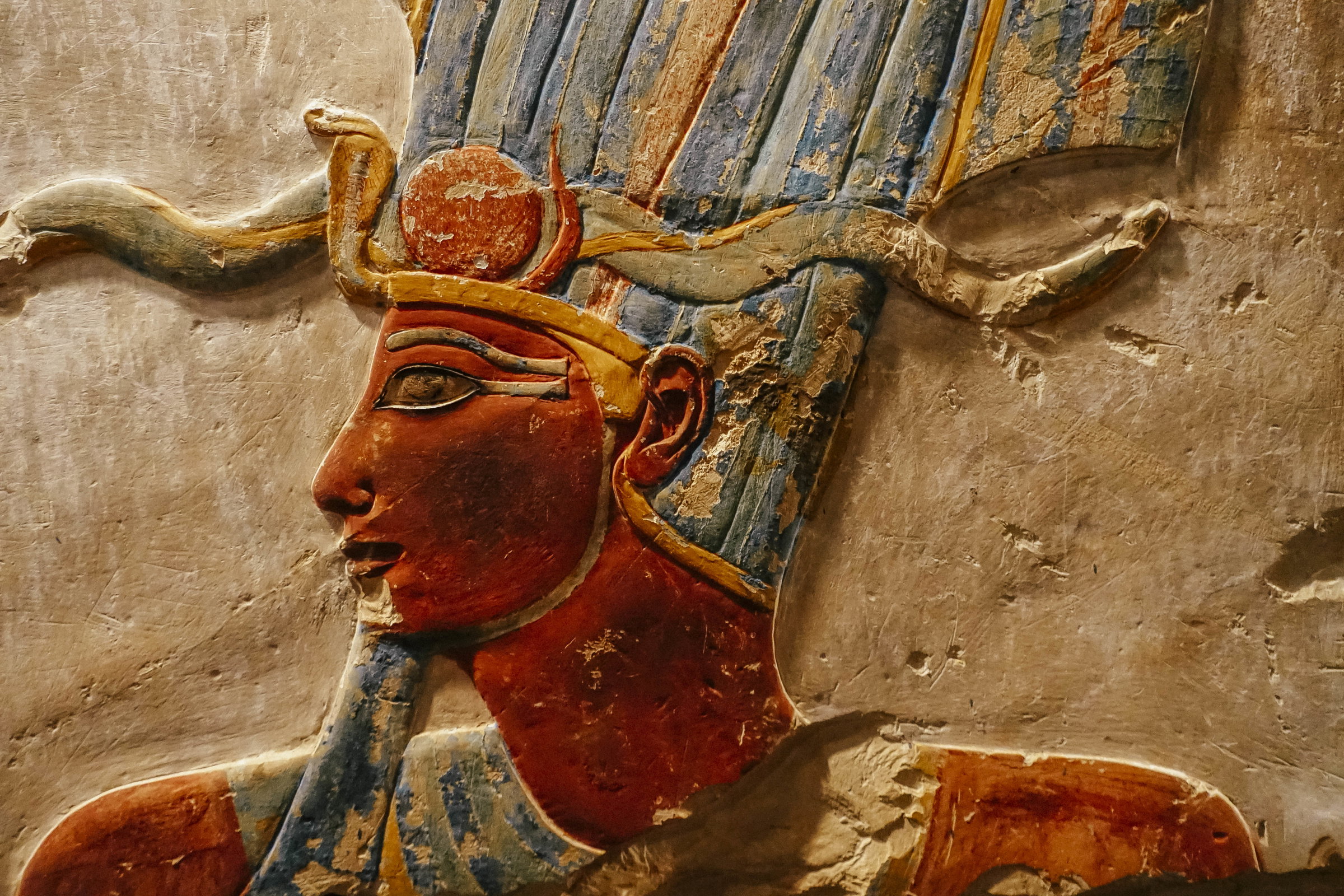
Valley of the Kings — The royal burial ground for pharaohs of the New Kingdom, including the tomb of Tutankhamun, discovered famously intact in 1922. Many tombs feature vividly colored wall paintings that have survived for over three thousand years.
Luxor Temple — Smaller than Karnak but stunning, especially when visited at night when it's beautifully illuminated.
Hatshepsut's Temple — Built for Egypt's most famous female pharaoh, this temple's terraced design set against dramatic cliffs is unlike anything else in Egypt.
Hot Air Balloon Rides — Watching the sun rise over the Valley of the Kings and the Nile from a hot air balloon is, according to countless travelers, one of the most memorable experiences of their entire lives.
Marrakech's Must-See Sites
Jemaa el-Fnaa — The main square, full of street performers, food vendors, and constant activity.
The Souks — Sprawling markets selling spices, leather goods, textiles, and handicrafts.
Jardin Majorelle — A beautifully designed garden, once owned by designer Yves Saint Laurent.
Bahia Palace — An impressive example of 19th-century Moroccan architecture.
Atlas Mountains Day Trips — Many visitors combine Marrakech with excursions into the nearby mountains.
Both cities clearly have plenty to offer. But notice the difference in category: Marrakech's highlights are largely about atmosphere and shopping, while Luxor's highlights are genuine wonders of the ancient world, several of which are recognized by UNESCO.
3. Cost of Travel: Where Your Money Goes Further
Budget is one of the most practical factors in any travel decision, and this is another area where Luxor stands out.
Accommodation: Luxor offers a wide range of hotels, from affordable guesthouses to luxury resorts along the Nile, often at prices noticeably lower than comparable accommodation in Marrakech.
Food: Egyptian cuisine in Luxor is both delicious and inexpensive, especially outside of hotel restaurants. A full meal at a local restaurant can cost a fraction of what you'd pay for a similar meal in Marrakech's more touristy areas.
Tours and Activities: Guided tours of major sites in Luxor, including Egyptology-certified guides, tend to be very reasonably priced, especially when booked as part of a package or Nile cruise.
Overall Value: When you combine flights, hotels, food, and activities, many travelers find that a week in Luxor costs noticeably less than the same length of trip in Marrakech, while delivering experiences that are arguably more unique and memorable.
This doesn't mean Marrakech is overpriced — it simply means Luxor offers exceptional value relative to the scale and significance of what you're seeing.
4. Accessibility and Ease of Booking
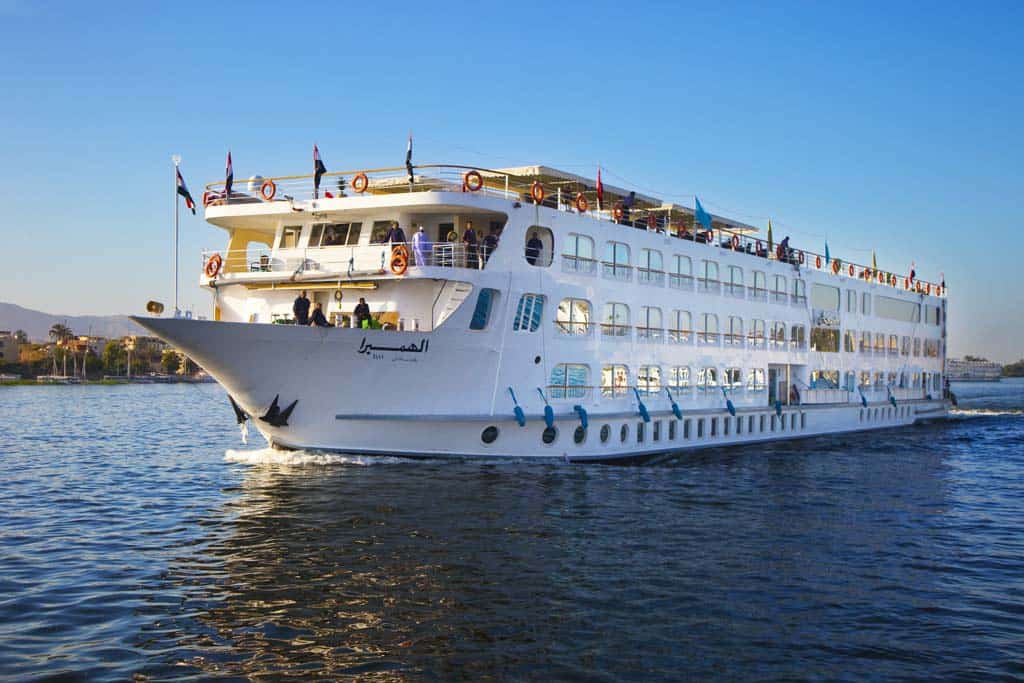
Getting to Luxor has become remarkably simple in recent years. Most international travelers fly into Cairo, then take a quick domestic flight to Luxor, which typically takes around an hour. Alternatively, many travelers choose to combine Luxor with a multi-day Nile cruise that also includes Aswan, allowing them to see two incredible destinations in one well-organized trip.
Once you've booked your flights, accommodation options in Luxor cater to every type of traveler:
- Budget hostels and guesthouses for backpackers
- Mid-range hotels with Nile views
- Five-star luxury resorts offering spa treatments, private pools, and gourmet dining
Marrakech is also accessible via direct international flights to Marrakech Menara Airport, and its accommodation options are similarly diverse, ranging from hostels to luxury riads.
Where Luxor has an edge is in the structured, well-organized nature of tourism around its historical sites. Most attractions are licensed, organized, and supported by Egypt's growing investment in tourism infrastructure, including newly renovated museums, improved roads, and upgraded visitor centers around major temples.
5. Weather and Best Time to Visit
Luxor enjoys a desert climate with long stretches of sunshine throughout the year. The ideal time to visit is between October and April, when daytime temperatures are comfortable for sightseeing and evenings are pleasantly cool. Summer months (June to August) can be extremely hot, so most travelers plan around the cooler season.
Marrakech has a more moderate climate overall, with hot summers and mild winters. Spring (March to May) and fall (September to November) are generally considered the best times to visit.
If you're someone who wants guaranteed sunshine and dramatic golden-hour photography over ancient monuments, Luxor's dry desert climate during the cooler months is hard to beat.
6. Food and Culinary Experience
Both destinations offer rich culinary traditions, but they're very different in style.
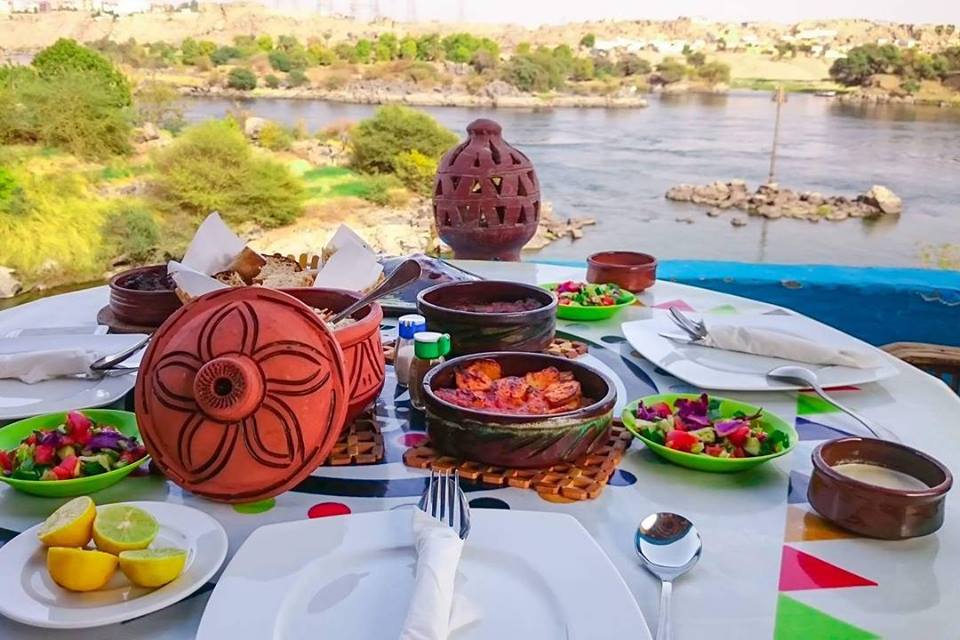
Luxor and Egyptian Cuisine: Expect dishes like koshari (a comforting mix of rice, lentils, and pasta topped with spiced tomato sauce), molokhia (a unique green soup), grilled meats, falafel, and incredibly fresh produce thanks to the fertile land along the Nile. Many restaurants in Luxor also offer Nile-view dining, where you can enjoy a meal while watching feluccas drift along the river at sunset.
Marrakech and Moroccan Cuisine: Known for tagines, couscous, pastilla, and mint tea. Moroccan food is flavorful and aromatic, with a strong emphasis on slow-cooked stews and fragrant spice blends.
Both cuisines are excellent, but travelers looking for a dining experience paired with stunning historical scenery — think dinner cruises on the Nile with temple views — will find Luxor offers something genuinely distinctive.
7. Safety and Traveler Experience
Both Luxor and Marrakech are generally considered safe for tourists, with millions of visitors passing through each year without incident. That said, a few practical notes can help shape your expectations.
In Luxor, most major sites are well-patrolled, and tourism police are present at all major attractions. The smaller scale of the city, compared to bustling Cairo or Marrakech, often makes it feel calmer and easier to navigate, especially for first-time visitors to Egypt.
In Marrakech, the medina's narrow, maze-like streets can feel overwhelming for first-time visitors, and persistent vendors in the souks are a common (though generally harmless) part of the experience.
Neither city presents major safety concerns for prepared travelers, but those seeking a more relaxed, less chaotic pace may find Luxor's atmosphere more comfortable.
8. Activities Beyond the Main Attractions
What Else Can You Do in Luxor?
- Felucca sailing on the Nile at sunset
- Nile dinner cruises with live entertainment
- Visiting local markets for spices, alabaster crafts, and souvenirs
- Day trips to nearby Aswan, including the Aswan High Dam and Philae Temple
- Hot air balloon flights at sunrise
- Visiting the Luxor Museum and Mummification Museum
- Exploring the West Bank's lesser-visited tombs, such as the Tombs of the Nobles
What Else Can You Do in Marrakech?
- Visiting a traditional hammam (spa)
- Exploring nearby desert excursions to the Sahara (multi-day trips)
- Hot air balloon rides over the Atlas foothills
- Cooking classes focused on Moroccan cuisine
- Day trips to the Ourika Valley
Both cities offer plenty of activities beyond their headline attractions, but Luxor's additional activities tend to deepen the historical experience, while Marrakech's additional activities tend to focus on relaxation and local culture.
9. Photography and Visual Appeal
If you're someone who travels partly to capture incredible photos, both destinations deliver — but in very different styles, and the difference is worth understanding before you pack your camera bag.
Luxor offers dramatic, awe-inspiring imagery: massive stone columns, hieroglyphics, golden desert light, hot air balloons floating over ancient ruins, and the iconic silhouette of temples against the Nile at sunset. These are the kinds of photos that stop people mid-scroll, because they capture something genuinely rare — ancient history still standing in its original form.
Marrakech offers vibrant, colorful imagery: bustling markets, intricate tilework, lush gardens, and the energetic chaos of Jemaa el-Fnaa at night.
If your goal is photos that feel timeless and almost otherworldly, Luxor's monuments offer a visual impact that's genuinely hard to replicate anywhere else on Earth.
10. Family-Friendliness
Both destinations can work well for families, but they require slightly different planning.
Luxor's attractions are spread across relatively open spaces, with wide courtyards and accessible pathways at most major temples. Nile cruises are particularly family-friendly, offering relaxed days on the water combined with shore excursions to historical sites. Many tour companies in Luxor also offer simplified, kid-friendly explanations of the history, which can make ancient Egypt come alive for younger travelers in a way that textbooks never could.
Marrakech's medina, while charming, can be more challenging for families with young children due to crowded, narrow streets and unpredictable traffic in some areas.
For families looking for an educational trip that genuinely excites kids about history, Luxor often comes out ahead.
11. Preservation and Why Visiting Luxor Now Matters
Here's something worth thinking about: ancient monuments, no matter how well preserved, are still subject to natural erosion, environmental changes, and the simple passage of time. Many of the temples and tombs in Luxor have survived for thousands of years, but increased humidity from tourism, climate shifts, and natural weathering mean that some delicate wall paintings and carvings are slowly fading.
This isn't meant to alarm you — Egypt has invested heavily in conservation and restoration projects to protect these sites for future generations. But it does mean that experiencing these wonders in their current state is something genuinely valuable, and not something to indefinitely postpone.
Marrakech, with its more modern infrastructure, doesn't carry quite the same urgency. Its souks and gardens will largely look similar whether you visit this year or in a decade.
12. Combining Luxor With Other Egyptian Destinations
One major advantage of choosing Luxor is how easily it combines with other unforgettable Egyptian destinations. Many travelers structure their trip as:
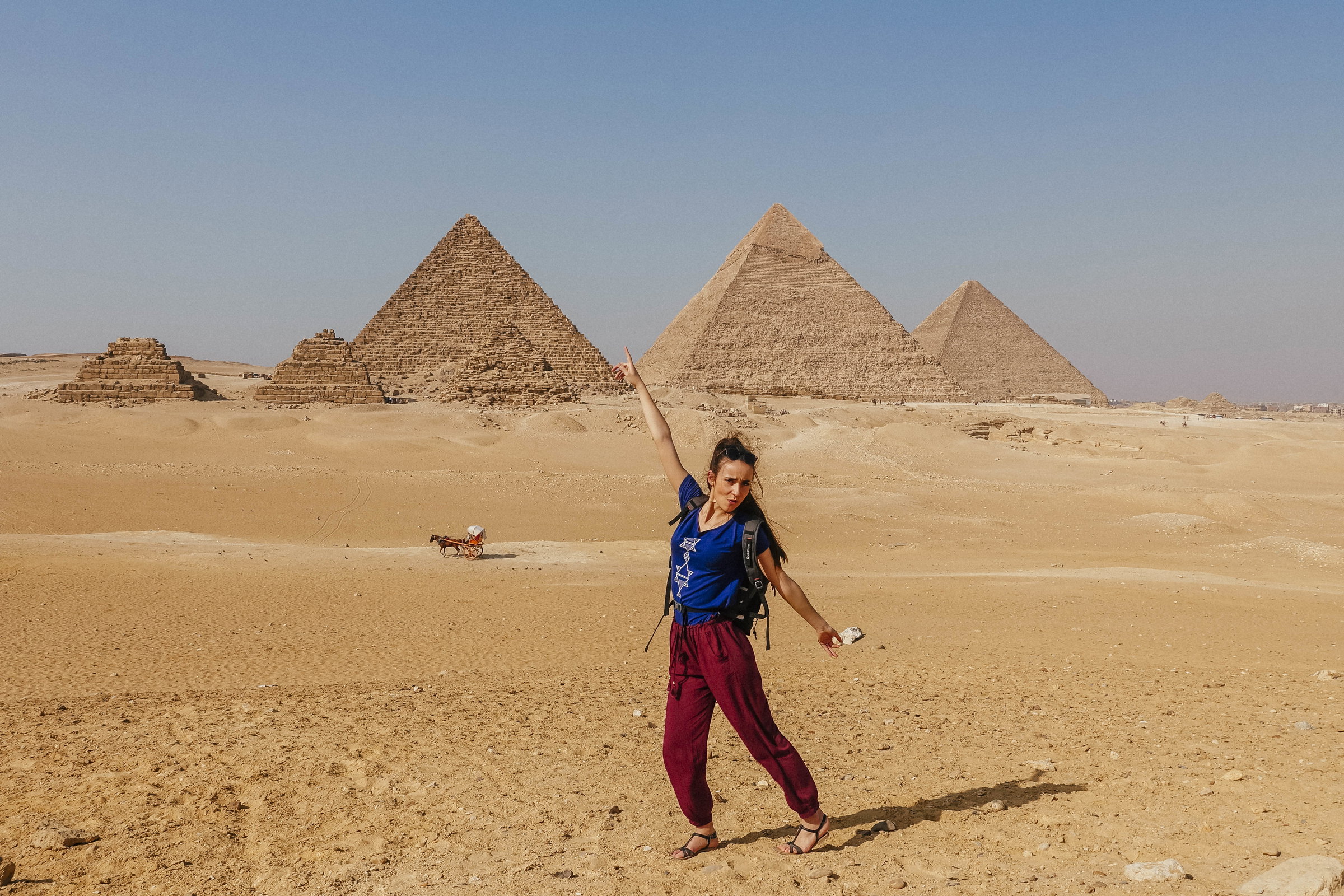
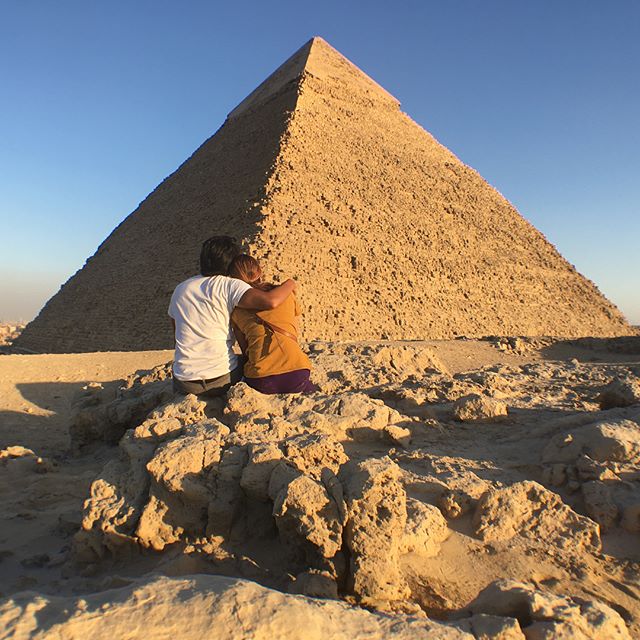
- Cairo – Pyramids of Giza, the Egyptian Museum, and the Grand Egyptian Museum
- Luxor – Karnak, Valley of the Kings, Luxor Temple
- Aswan – Philae Temple, the High Dam, Nubian villages
- Nile Cruise – Connecting Luxor and Aswan over 3–5 days, with stops at smaller temples along the way
This kind of multi-stop itinerary allows travelers to experience thousands of years of Egyptian history in a single, well-organized trip — something that's far easier to coordinate than you might expect, especially with the growing number of all-inclusive Nile cruise packages.
13. What Past Visitors Say
Ask anyone who has been to both destinations, and a common theme tends to emerge: Marrakech is remembered fondly for its energy, colors, and food, while Luxor is remembered as something closer to a life-changing experience. Travelers frequently describe standing inside the Valley of the Kings or watching sunrise from a hot air balloon over Luxor as "the trip of a lifetime" — language rarely used to describe a day at the souks, however enjoyable that day might be.
This distinction matters. Marrakech delivers a great vacation. Luxor often delivers a genuinely transformative experience.
14. Practical Tips for Planning Your Luxor Trip
If you've decided Luxor is calling your name, here are a few practical tips to make your trip smoother:
- Book in advance: Hotels along the Nile and popular Nile cruises fill up quickly during peak season (October to April), so it's worth securing your booking early.
- Hire a licensed Egyptologist guide: The history behind these monuments is incredibly rich, and a knowledgeable guide can transform your visit from "seeing old buildings" to genuinely understanding the stories carved into every wall.
- Start early: Visiting major sites like Karnak or the Valley of the Kings early in the morning helps you avoid both the heat and the crowds.
- Stay hydrated: Luxor's dry climate means you'll need more water than you might expect, especially during full-day tours.
- Carry small cash: Useful for tipping guides, drivers, and for small souvenir purchases in local markets.
- Dress modestly and comfortably: Lightweight clothing that covers shoulders and knees works best both for comfort and cultural respect.
15. Cultural Etiquette: What to Know Before You Go
Understanding local customs can make a huge difference in how comfortable and rewarding your trip feels.
In Luxor, the local culture is warm, hospitable, and used to welcoming international visitors from every corner of the world. Egyptians are known for their friendliness and willingness to help travelers feel at home. Simple gestures, like greeting locals with "Salam" or thanking your guide in Arabic ("Shokran"), tend to be met with genuine appreciation. Bargaining is common in local markets, but it's done with good humor rather than pressure.
In Marrakech, similar hospitality exists, though the souks can feel more commercially aggressive, with vendors actively calling out to tourists. This isn't necessarily negative — it's simply part of the city's energetic character — but some travelers find it more tiring than Luxor's comparatively relaxed pace.
If you prefer a destination where the cultural exchange feels personal and unhurried rather than transactional, Luxor often leaves a gentler, more memorable impression.
16. Budget Breakdown: A Realistic Look at Daily Costs
To put the value comparison into perspective, here's a general sense of what a mid-range traveler might expect to spend per day in each destination, covering accommodation, meals, local transport, and one paid activity:
Luxor: Mid-range hotels with Nile views, three meals at local and semi-upscale restaurants, a private driver or taxi for the day, and entry tickets to one or two major temples typically come in noticeably lower than equivalent spending in Marrakech, especially once you factor in the often-discounted combined ticket options for sites like Karnak, Luxor Temple, and the Valley of the Kings.
Marrakech: Riad-style accommodation, dining at recommended restaurants, transport within the medina, and entry to attractions like Bahia Palace or Jardin Majorelle tend to add up a bit faster, particularly in peak season when prices in popular riads rise sharply.
For travelers planning longer trips or traveling as a family, this daily cost difference can add up to substantial savings over the course of a week — savings that can go toward extending your trip, upgrading your hotel, or adding an extra excursion like a Nile dinner cruise or a sunrise balloon flight.
17. The Emotional Impact: Why Some Trips Stay With You Forever
There's a reason travel experts often distinguish between a "good vacation" and a "transformative trip." A good vacation relaxes you, entertains you, and gives you a break from routine. A transformative trip changes how you see the world.
Luxor tends to fall firmly into the second category. There's something genuinely humbling about standing inside a 3,000-year-old tomb, surrounded by paintings that have kept their color since before most modern civilizations even existed. It recalibrates your sense of time, achievement, and human potential in a way that few other places on Earth can match.
This is part of why so many travel writers, historians, and casual tourists alike describe Luxor not just as a destination, but as an experience that reshapes their perspective long after they've returned home. It's the kind of trip people talk about for years — the one photo album they keep coming back to, the one story that gets told at dinner parties long after the suitcase has been unpacked.
Final Verdict: Which Should You Choose?
If you're looking for a fun, colorful city break filled with shopping, food, and modern Moroccan culture, Marrakech is a wonderful choice, and you won't be disappointed.
But if you're looking for something deeper — an experience that connects you to thousands of years of human history, leaves you with photos and memories unlike anything else, and offers exceptional value for your travel budget — Luxor is the clear winner.
There's a reason Luxor consistently appears on "bucket list" travel rankings worldwide. It's not just a destination; it's a journey back through time to one of the most remarkable civilizations humanity has ever produced. And with flights, cruises, and hotels more accessible than ever, there's never been a better time to plan your trip.
Don't just read about it — book your trip to Luxor today, and give yourself the chance to stand where pharaohs once stood, sail the same waters they sailed, and witness firsthand why this ancient city continues to captivate millions of travelers every single year.
Frequently Asked Questions About Visiting Luxor
Q: Is Luxor suitable for families and children? A: Yes, absolutely. Most major temples have wide, open spaces that are easy for kids to explore, and many tour operators offer simplified, engaging explanations designed specifically for younger visitors. Nile cruises are also a relaxing, family-friendly way to experience the region.
Q: How many days do I need to see Luxor properly? A: Most travelers find that 2 to 3 full days are enough to comfortably cover the major highlights, including Karnak Temple, Luxor Temple, the Valley of the Kings, and Hatshepsut's Temple, without feeling rushed.
Q: Is winter the only good time to visit Luxor? A: The period from October to April offers the most comfortable temperatures for sightseeing, but Luxor remains a popular destination throughout the year for travelers who enjoy warm, sunny weather.
Q: Is there a big price difference between budget and luxury accommodation in Luxor? A: There's a wide range of options to suit every budget, from affordable guesthouses to five-star luxury resorts along the Nile, so travelers of all budgets can find something that fits their needs.
Q: Is the hot air balloon ride in Luxor really worth it? A: It's one of the most highly recommended experiences among travelers who have visited Luxor. Watching the sunrise over the temples and the Valley of the Kings from above is widely described as unforgettable.
Q: How do I get from Cairo to Luxor? A: Most travelers take a short domestic flight from Cairo to Luxor, which usually takes about an hour. Multi-day Nile cruises that depart from Luxor or Aswan are also a popular and convenient option.
Q: Is Luxor safe for tourists? A: Yes, Luxor is generally considered safe for tourists, with tourism police present at major sites and a well-established infrastructure built around visitor safety and comfort.
Q: Can I combine a trip to Luxor with other parts of Egypt? A: Definitely. Many travelers combine Luxor with Cairo and Aswan, often connecting the destinations through a Nile cruise, to experience multiple historical sites within a single, well-organized trip.
Q: What should I wear when visiting temples in Luxor? A: Lightweight, breathable clothing that covers your shoulders and knees is recommended, both for comfort in the heat and out of respect for cultural norms. Comfortable walking shoes are essential, as many sites involve walking on uneven, ancient stone surfaces.
Q: Is Luxor better for first-time visitors to Egypt compared to other cities? A: Many first-time visitors find Luxor especially rewarding because its major sites are concentrated in a relatively small area, making it easier to see the highlights of ancient Egyptian civilization without extensive travel between locations.
Q: Do I need a visa to visit Luxor? A: Most travelers visiting Egypt need either a visa on arrival, an e-visa obtained in advance, or a visa secured through their nearest Egyptian embassy, depending on their nationality. It's worth checking the latest requirements for your specific country before booking your flights, since policies can change.
Q: Can I visit Luxor as part of a Nile cruise from Cairo? A: Yes, many travelers choose to fly from Cairo to Luxor or Aswan and then board a Nile cruise that travels between the two cities over several days, stopping at additional temples along the way. This is widely considered one of the most relaxing and comprehensive ways to experience ancient Egypt.
???? Ready to write your name into Luxor's history? Whether you're planning a romantic getaway, a family adventure, or the photography trip of a lifetime, now is the perfect time to book your trip to Luxor and experience one of the most extraordinary destinations on Earth firsthand.
AYAD WORLD TOURS ONLINE

 Arabic